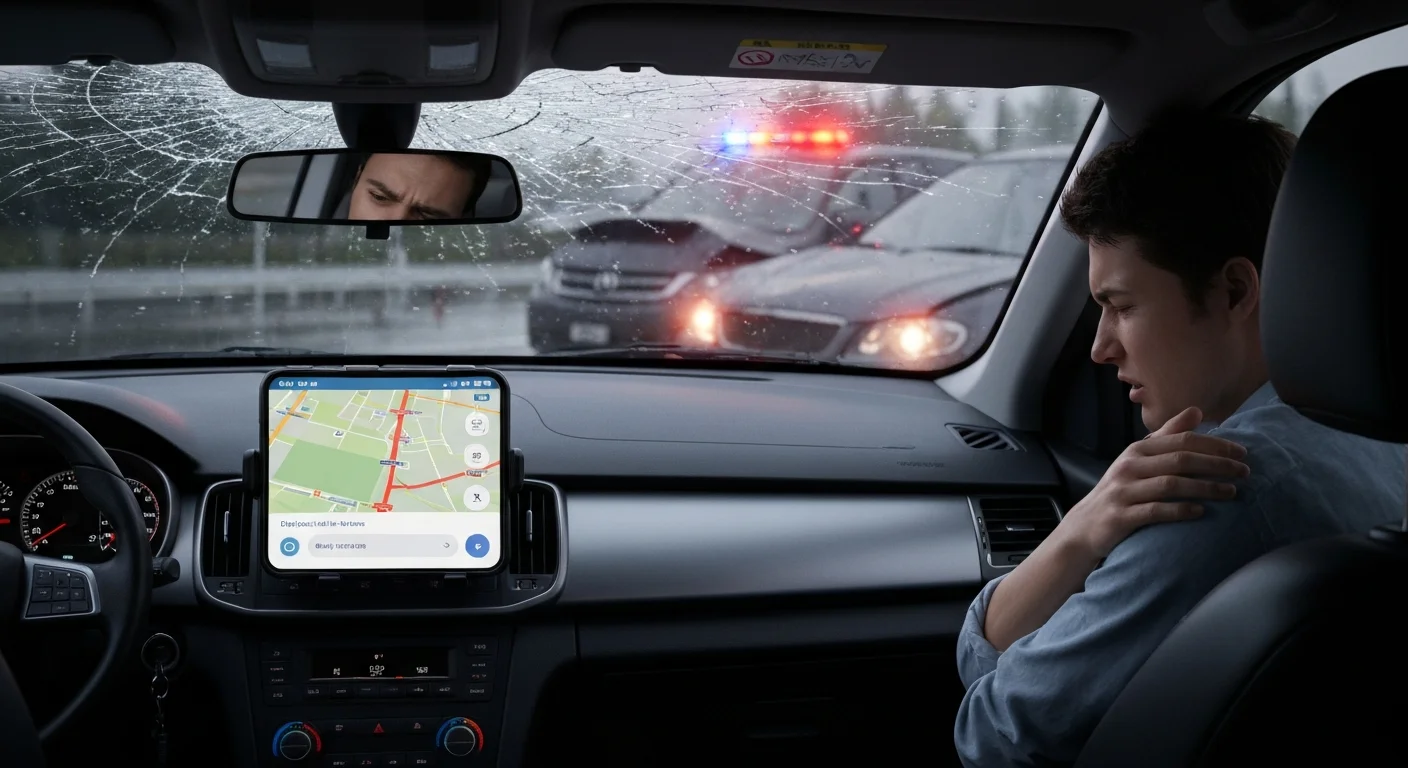
If you suffer injuries in a California Uber accident, the entity that pays depends entirely on the driver’s app status at the exact moment of impact. For injured passengers and third-party motorists struck during an active trip, Uber’s $1 million commercial insurance policy pays for damages. If the driver was logged into the app but had not accepted a trip, Uber’s secondary liability policy pays up to $100,000 per accident. If the driver was completely offline, their personal auto insurance policy is responsible for coverage.
To protect your legal rights and secure maximum compensation, you should hire a California rideshare accident lawyer immediately. Insurance companies actively try to exploit gaps between personal policies and commercial coverage to deny claims. Retaining an attorney ensures that you target the correct insurance pool and avoid costly filing errors. The Law Office of Brent D. Rawlings provides aggressive advocacy to hold negligent parties and corporate insurers accountable.
Key Takeaways
- App Status Dictates Coverage: Uber’s $1 million liability insurance only applies during active rides or when a driver is en route to a passenger.
- Personal Insurance First: If the driver is offline, their personal auto insurance must cover the damages.
- Uninsured Motorist Protection: Uber provides uninsured/underinsured motorist coverage of up to $1 million for passengers if another driver causes the crash.
- Screenshots Save Claims: Always take a screenshot of your active trip status on your phone immediately following a collision.
- California Time Limits: Victims generally have two years from the date of the accident to file a personal injury lawsuit in California.
Understanding Uber’s Insurance Coverage Phases
Uber utilizes a strict, three-tiered coverage system that dictates which insurance policy pays for your medical bills and property damage. Rideshare drivers act as independent contractors, which means Uber does not provide continuous corporate insurance coverage. The level of financial recovery available to you fluctuates based on the driver’s digital activity at the time of the collision. To secure compensation, your legal team must prove which phase the driver was in when the crash occurred.
Insurance companies frequently attempt to dispute these phases to shift the financial burden. For example, an insurer might argue the driver logged out of the app seconds before the collision to avoid commercial liability. This is why immediate legal representation is vital. An experienced attorney can subpoena the rideshare company’s digital logs to confirm the driver’s precise GPS and app status during the crash.
The three distinct coverage phases established by rideshare companies include:
- Phase 1: Driver is Offline. The driver has the Uber app closed and is operating the vehicle for personal use. Uber provides zero insurance coverage during this period. The driver’s personal automotive liability policy pays for all damages up to their policy limits.
- Phase 2: App is Open, Waiting for a Match. The driver is online and actively looking for passengers but has not yet accepted a ride request. If a crash occurs, the driver’s personal insurance remains primary. However, Uber provides contingent liability coverage if the personal insurer denies the claim. This contingent policy pays up to $50,000 for bodily injury per person, $100,000 for bodily injury per accident, and $25,000 for property damage.
- Phase 3: Ride Accepted and Passenger in Vehicle. This phase begins the moment a driver accepts a trip request and ends when the passenger exits the vehicle. During this time, Uber’s primary commercial insurance policy of $1 million is fully active. This policy covers third-party liability, passenger injuries, and uninsured/underinsured motorist claims.
Does Uber Cover Accidents for All Injured Parties?
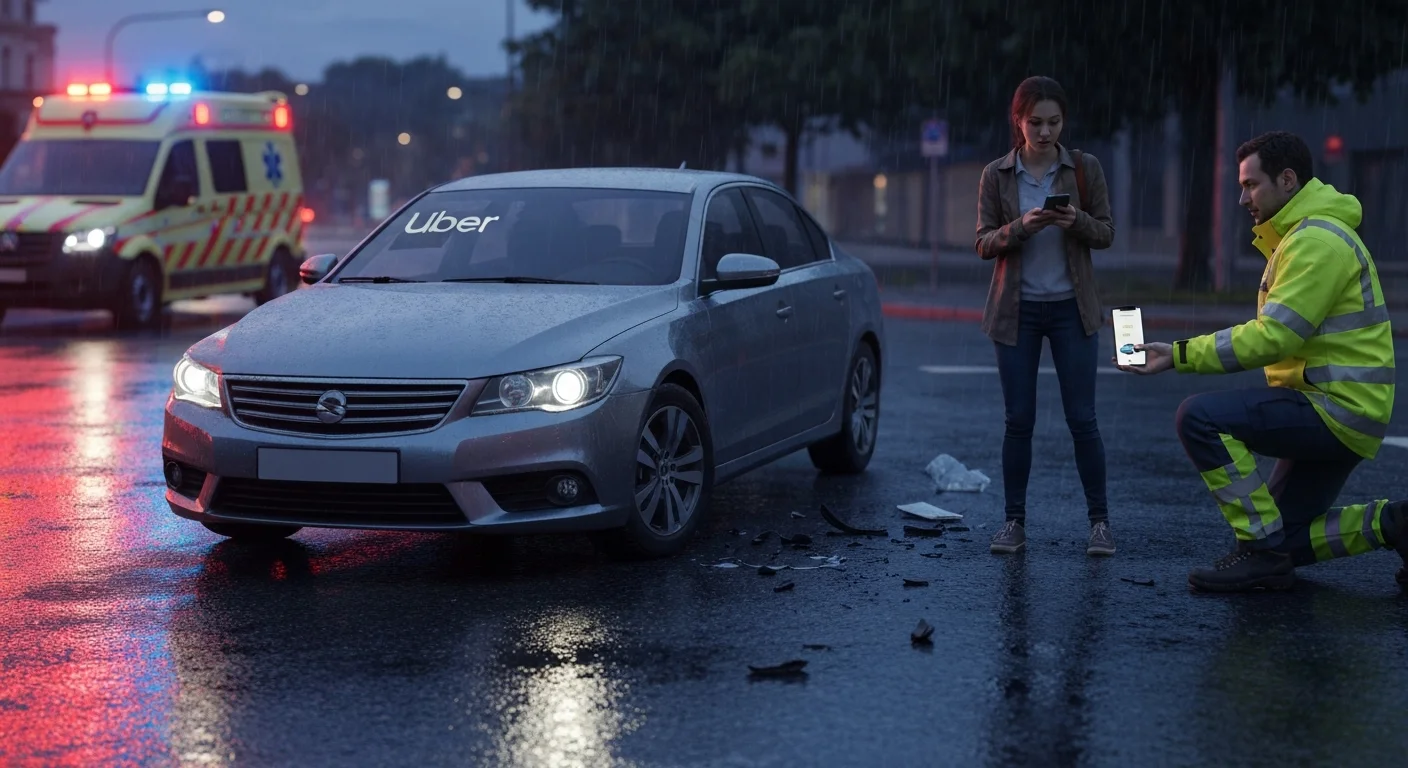
Uber’s corporate insurance policy does cover accidents, but the extent of that coverage depends on your specific role in the collision. Whether you were riding in the back seat, driving your own vehicle, or walking across the street, a unique set of insurance rules will apply to your recovery path. Because California operates under a tort-based insurance system, the driver who caused the accident is ultimately responsible for paying the damages.
Passengers in an Uber vehicle have the highest level of protection. If your rideshare driver causes a crash, Uber’s $1 million commercial liability insurance covers your medical treatments and lost wages. If an uninsured motorist strikes your Uber, Uber’s $1 million uninsured/underinsured motorist coverage steps in to pay for your injuries. As a passenger, you are almost never at fault, making your path to recovery more direct, though still highly contested by corporate lawyers.
If you are driving another vehicle and an Uber driver strikes you, your ability to collect from Uber depends entirely on their app status. If the driver was in Phase 3, you can seek damages from Uber’s $1 million policy. If the driver was in Phase 2, you must first exhaust their personal insurance limits before accessing Uber’s contingent coverage. Pedestrians and cyclists struck by working Uber drivers also enjoy access to these same tiered coverage limits.
| Your Role in the Accident | Driver’s App Status | Primary Insurance Provider | Maximum Available Coverage Limit |
|---|---|---|---|
| Uber Passenger | Phase 3 (Active Trip) | Uber Commercial Policy | $1,000,000 |
| Third-Party Driver | Phase 3 (En Route / Active Trip) | Uber Commercial Policy | $1,000,000 |
| Third-Party Driver | Phase 2 (App Open, No Trip) | Driver’s Personal Insurer (Primary) / Uber Contingent (Secondary) | $50,000 per person / $100,000 per accident |
| Third-Party Driver | Phase 1 (App Closed) | Driver’s Personal Insurance Only | Driver’s individual policy limits (CA minimum is $15k/$30k) |
| Pedestrian or Cyclist | Phase 3 (Active Trip) | Uber Commercial Policy | $1,000,000 |
Navigating Uber Car Accident Settlements in California
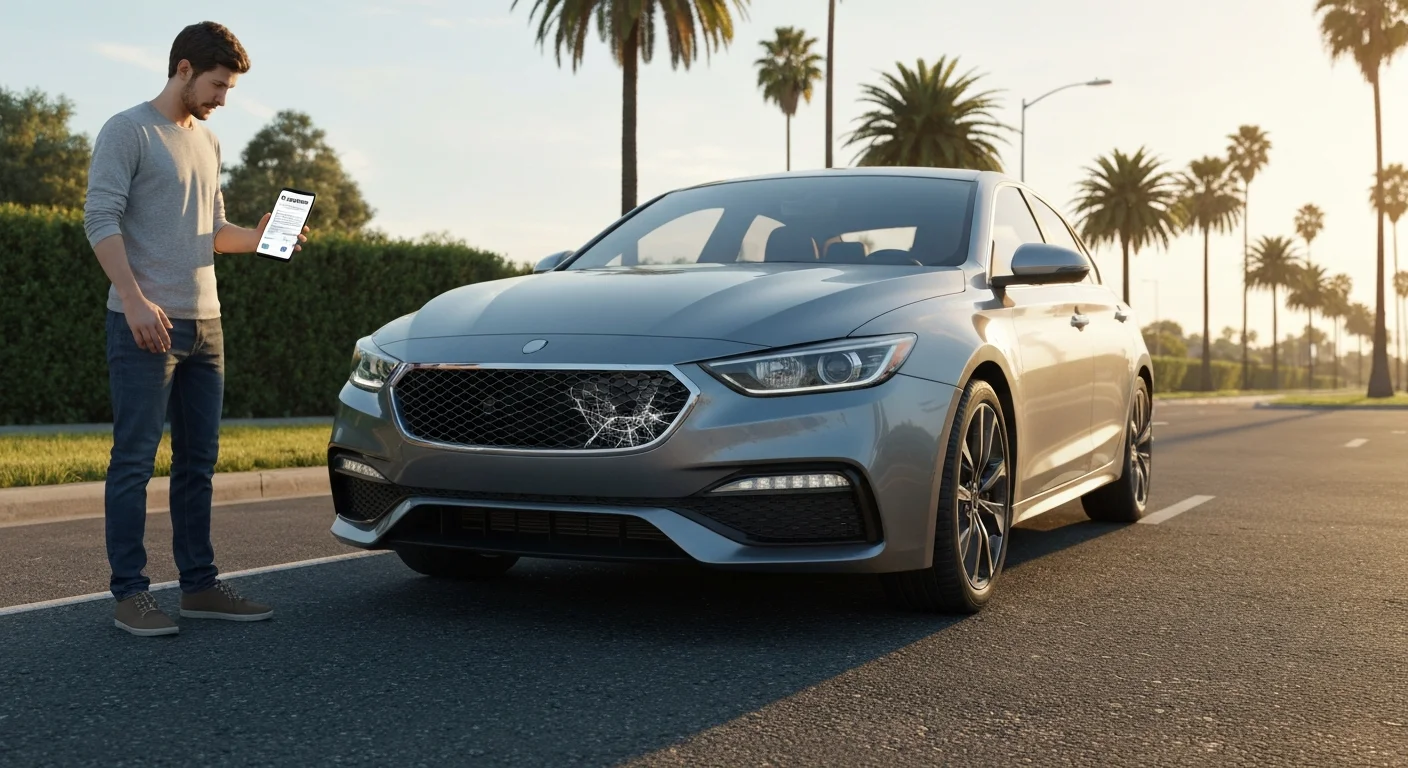
Securing fair compensation through automobile and truck accident lawyer services requires a deep understanding of state-specific laws. In California, several unique legal doctrines influence how insurance claims are evaluated and settled. Unlike no-fault states, California allows injury victims to seek full compensation directly from the at-fault driver’s insurance carrier. This means you must explicitly prove the rideshare driver or another motorist behaved negligently behind the wheel.
California operates under the rule of pure comparative negligence. This legal standard allows you to recover damages even if you were partially responsible for the accident. For example, if a jury finds you 20% responsible for a crash because you were speeding, your total settlement will decrease by 20%. Insurance adjusters often use this rule to shift blame onto victims, making it crucial to have strong legal representation to protect your payout. To better understand how these comparative negligence laws impact your financial recovery, you can learn more about how to determine how much your personal injury case is worth.
When negotiating a settlement in California, you can seek compensation for both economic and non-economic damages. Economic damages represent concrete financial losses with a specific price tag. Non-economic damages represent the subjective, human cost of your injuries. A comprehensive settlement demand should account for both categories to ensure you do not face out-of-pocket expenses in the future.
Typical damages included in California rideshare settlements often involve:
- Medical Expenses: This covers emergency room visits, surgeries, physical therapy, diagnostic imaging, prescription medications, and any anticipated future medical treatments.
- Lost Wages: You can recover the income you lost while recovering from your injuries, as well as any diminished earning capacity if you can no longer work in your previous field.
- Pain and Suffering: This accounts for physical pain, emotional distress, anxiety, post-traumatic stress disorder, loss of enjoyment of life, and sleep disturbances caused by the accident.
- Property Damage: If you were in another vehicle, this covers the cost of repairing or replacing your car, as well as rental car fees during the repair process.
How Much Does Uber Pay for Accidents in Reality?
The amount of money Uber pays for accident claims varies drastically from thousands of dollars to multi-million-dollar resolutions. There is no single “average” settlement figure because every victim’s physical recovery and financial losses are unique. A minor soft-tissue injury like whiplash may settle for $15,000 to $45,000. Conversely, catastrophic brain or spinal cord injuries often result in settlements that reach the full $1 million policy limit.
According to research from the National Highway Traffic Safety Administration (NHTSA), the comprehensive societal cost of motor vehicle crashes in the United States exceeds $340 billion annually. Medical care and lost productivity account for a substantial portion of these expenses, directly driving up settlement values. Furthermore, the California Department of Insurance highlights that rideshare accidents involve complex multi-carrier coverage disputes, which often artificially suppress initial settlement offers until legal action is threatened.
The commercial nature of rideshare operations means that claims are handled by third-party administrators who specialize in minimizing corporate losses. Uber’s safety data, published in the official Uber Safety Report, demonstrates that while the vast majority of trips end without incident, serious crashes still occur regularly. When these severe events happen, the resulting settlement must cover the lifetime costs of the injured victim. If an insurance company offers a quick settlement within days of the crash, it is almost always a lowball offer designed to get you to sign away your right to sue before the true extent of your injuries is fully diagnosed.
Critical Mistakes to Avoid in a Rideshare Claim
Making a single administrative or communication error can completely destroy your chances of securing a payout from Uber’s commercial policy. As an experienced practitioner, I often see insurance adjusters use a victim’s own words or actions to deny otherwise valid claims. The period immediately following a crash is a high-stakes legal environment, and you must act with extreme caution. Avoid talking to any insurance representatives or signing medical release forms without an attorney present.
One of the most common professional mistakes victims make is failing to preserve digital evidence of the ride itself. Never assume that Uber’s corporate servers will preserve your trip history if a dispute arises. Always secure physical and digital copies of every detail related to your ride, your injuries, and the accident scene. Following a structured set of immediate steps will protect your health and preserve your right to file a claim.
If you are involved in a rideshare accident, you should complete the following steps in this exact order:
- Take Immediate Screenshots: Capture screenshots of your Uber app showing the driver’s name, vehicle details, license plate, map routing, and your active receipt.
- Call Law Enforcement: Request that local police respond to the scene so they can file an official, objective collision report.
- Document the Scene: Take clear photographs and videos of vehicle damage, road conditions, skid marks, traffic signals, and your physical injuries.
- Gather Witness Contact Info: Collect the names, phone numbers, and email addresses of any bystanders who saw the collision occur.
- Seek Emergency Medical Attention: Visit an emergency room or urgent care clinic within 24 hours of the crash, even if you feel fine, to establish a formal medical record of your injuries.
- Report the Crash to Uber: Use the safety portal inside the app to log the accident, but do not provide detailed statements or agree to a recorded call.
- Consult a Personal Injury Lawyer: Contact an experienced attorney to handle all communications with the insurance adjusters on your behalf.
FAQ
What happens if you get in an accident while riding in an Uber?
If you are injured as a passenger in an Uber, you are almost always covered by Uber’s $1 million commercial insurance policy. This coverage applies regardless of whether your rideshare driver or another motorist caused the collision. You should seek medical attention immediately and consult a lawyer to handle the complex claims process.
How does Uber handle passenger injury claims?
Uber manages passenger injury claims through third-party insurance adjusters who assess the severity of your injuries and the details of the crash. These adjusters often try to minimize payouts by offering quick, low settlements or questioning the medical necessity of your treatments. Retaining a dedicated personal injury attorney is the most effective way to ensure Uber’s insurers take your claim seriously.
Can I sue Uber directly for an accident?
You generally cannot sue Uber directly because their drivers are classified as independent contractors rather than traditional employees. Instead, you must file a claim against the driver’s insurance policy or the commercial liability policy that Uber provides. In rare cases involving corporate negligence, such as inadequate driver background checks, a direct lawsuit against Uber may be viable.
Is there a time limit to file an Uber accident claim in California?
Yes, California enforces a strict two-year statute of limitations for personal injury claims arising from motor vehicle accidents. If you do not file a lawsuit against the negligent parties within two years of the crash date, you will lose your legal right to recover compensation. If the accident involved a government-owned vehicle, you must file an administrative claim within six months.
What if the Uber driver was off-duty during the crash?
If the Uber driver was off-duty with the app completely closed, Uber’s commercial insurance policies do not apply. The driver is treated as a private motorist, and you must seek compensation through their personal automotive liability insurance. If their personal policy limits are insufficient to cover your damages, you may need to access your own underinsured motorist coverage.