
To be legally and medically classified as a catastrophic injury, an injury must cause permanent, life-altering damage that prevents you from performing gainful work or enjoying your pre-accident quality of life. For immediate clarity: if your injury heals within a few months with standard medical care, it is a standard personal injury; if it results in permanent disability, loss of limb, severe cognitive impairment, or ongoing reliance on assistive devices, it is considered a catastrophic injury. If you suffer a temporary broken bone, your path involves standard insurance negotiation. If you face a lifelong spinal cord injury, you must pursue specialized legal representation to secure a multi-million dollar settlement that accounts for decades of future care. Under federal law, specifically 34 U.S. Code § 10284, the definition centers on consequences that permanently prevent an individual from performing any gainful work. Knowing this distinction determines how you file your insurance claims and the amount of compensation you must seek to survive financially.
Key Takeaways
- Catastrophic injuries are legally defined by their permanence, requiring lifelong medical care and causing a total disruption of your ability to earn a living.
- Common examples include traumatic brain injuries (TBI), spinal cord damage leading to paralysis, severe third-degree burns, and amputations.
- Compensation claims must account for future life-care costs, which often reach between $1 million and $5 million over a survivor’s lifetime.
- Unlike standard injury claims, these cases rely heavily on medical life-care planners, vocational experts, and specialized economic analysts.
- Filing a claim quickly with the help of a catastrophic injury lawyer prevents insurance companies from underestimating your long-term financial needs.
The Legal and Medical Meaning of Catastrophic Harm
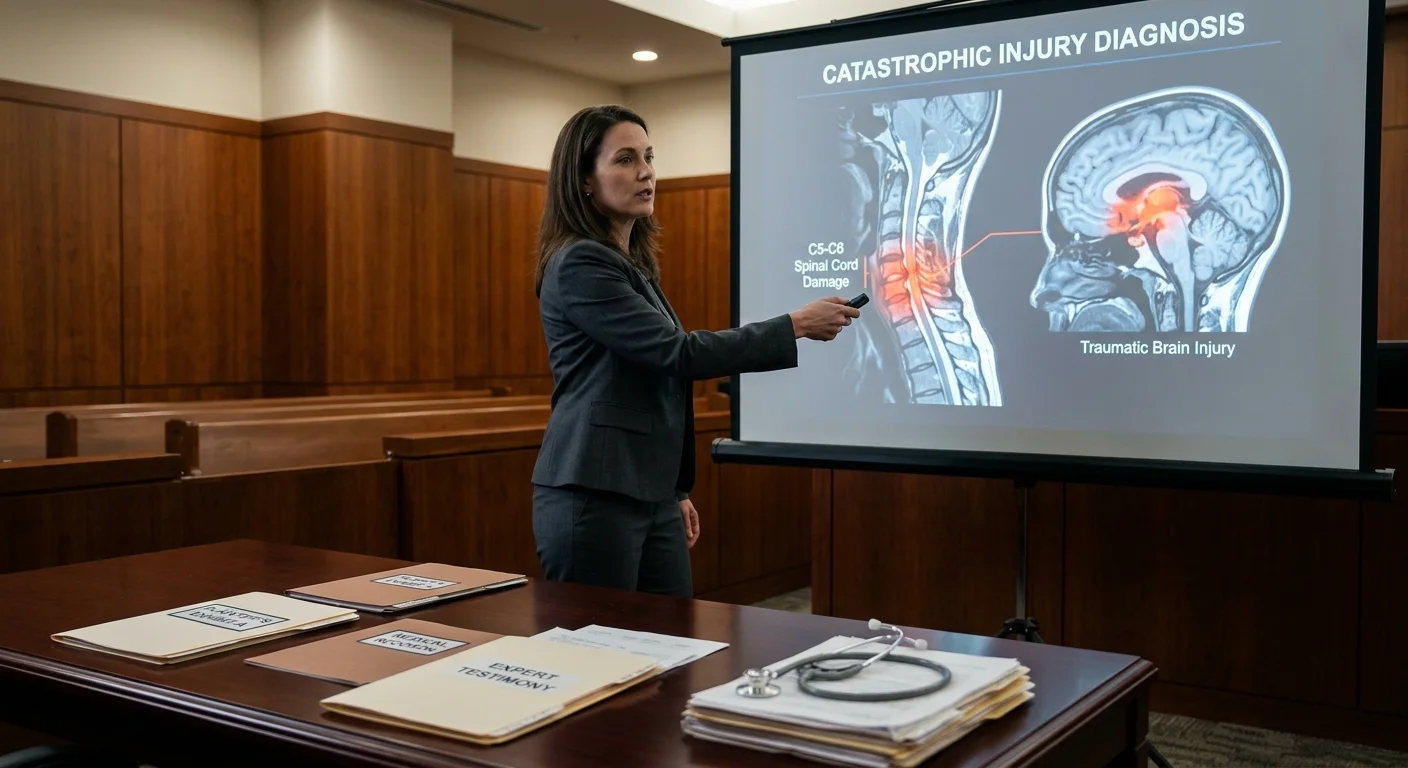
The legal meaning of a catastrophic injury focuses on the permanent nature of the physical or mental impairment and its lifelong impact on the victim. In California, catastrophic injury law looks beyond the immediate pain of an accident. Courts and insurance adjusters evaluate whether the victim can ever return to their normal daily routines or secure gainful employment. While a standard injury eventually heals, a catastrophic event permanently alters your physical, emotional, and economic baseline. This distinction is critical because it changes how attorneys structure insurance demands and courtroom presentations.
According to the American Medical Association, these injuries typically damage the central nervous system or result in the loss of essential bodily functions. The legal system evaluates these cases by looking at the long-term prognosis. If you require continuous medical support, home modifications, or daily physical therapy, your case falls under this severe legal category. Understanding this definition helps families realize they are not just fighting for current medical bills. They are fighting for the resources needed to survive for the next thirty to forty years.
Furthermore, the physical changes often lead to profound psychological trauma. Victims frequently experience clinical depression, severe anxiety, and post-traumatic stress disorder. Catastrophic injury law recognizes this deep connection between physical damage and mental health. Consequently, successful legal claims demand compensation for both physical care and ongoing psychological support. We always advise families to document these emotional changes from day one, as they form a critical component of your overall recovery claim.
Recognizing Catastrophic Injury Examples and Their Lifetime Impact
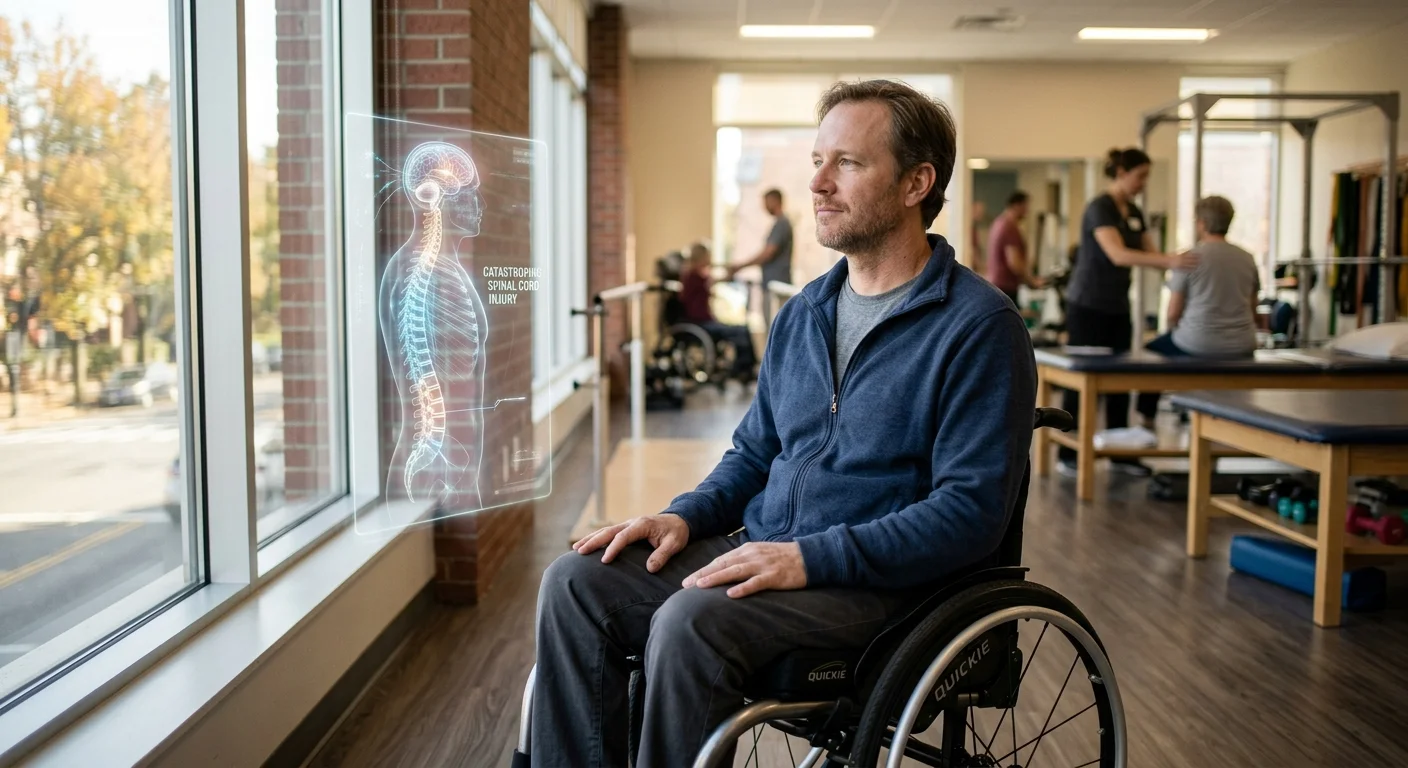
Severe traumatic brain injuries, complete spinal cord paralysis, traumatic amputations, and extensive third-degree burns represent the most common catastrophic injury examples. Each of these injuries creates a ripple effect that alters every aspect of your daily existence. For instance, a traumatic brain injury (TBI) can permanently change cognitive functions, emotional stability, and motor skills. This leaves the survivor needing round-the-clock supervision or specialized behavioral therapy. The legal system treats these cases with extreme care because the full extent of brain damage may not appear for months after the initial impact.
Spinal cord damage often results in paraplegia or quadriplegia. According to research published by the National Spinal Cord Injury Statistical Center, first-year medical expenses for a high quadriplegic individual can exceed $1.36 million, with subsequent annual costs surpassing $230,000. These figures highlight why a simple insurance settlement will never cover the true cost of care. Amputations also fall into this category, as they require lifelong prosthetic adjustments, occupational therapy, and structural home modifications to maintain basic mobility.
Other devastating examples include:
- Severe Burn Injuries: Third-degree burns covering large areas of the body require painful skin grafts, reconstructive surgeries, and lead to permanent disfigurement or chronic pain.
- Loss of Vision or Hearing: Total sensory deprivation prevents victims from participating in their previous occupations and drastically limits daily activities.
- Organ Damage: Internal trauma that leads to chronic organ failure or requires lifelong dialysis treatments.
Each of these conditions demands immediate and continuous medical intervention. When an accident occurs, the medical team focuses on saving the victim’s life. Once the patient stabilizes, the legal team must step in to build a recovery plan that covers these catastrophic injury examples for the rest of the victim’s life.
How Catastrophic Injury Cases Differ From Standard Claims
Catastrophic injury cases differ from standard personal injury claims because of the sheer scale of the damages and the high stakes of the litigation. In a typical car accident claim, you wait until you reach Maximum Medical Improvement (MMI) before settling. With a catastrophic injury, the victim may never fully recover. This means your legal team must project medical and living expenses decades into the future. Evaluating how much a personal injury case is worth in these situations requires a deep network of medical, vocational, and financial experts.
Insurance companies treat these high-value claims with extreme scrutiny. They will employ dedicated defense teams to minimize the payout, argue over liability, or claim the victim’s pre-existing conditions caused the impairment. This is why catastrophic injury claims require specialized representation. Your attorney must build an airtight case using accident reconstructionists, life-care planners, and economic analysts to demonstrate the full scope of your future needs. Without this level of preparation, victims risk running out of settlement funds long before their medical needs end.
The timeline for these cases is also significantly longer. While a minor car accident claim might wrap up in a few months, a catastrophic claim can take several years. This extended timeframe allows your medical team to understand the long-term prognosis fully. It also gives your legal team the time needed to prepare a comprehensive lawsuit that can withstand aggressive defense tactics in court.
The Critical Strategy Behind Catastrophic Loss Litigation
Catastrophic loss litigation refers to the specialized legal process of representing victims who have suffered devastating, permanent harm due to another party’s negligence. This complex litigation style involves navigating multiple layers of commercial insurance policies, corporate liability, and detailed state laws. In many cases, the negligent party is a commercial trucking fleet, a major product manufacturer, or a property owner. Because the financial stakes are so high, these corporate defendants will leverage massive legal teams to protect their assets.
Successful litigation in this area requires your attorney to prove liability clearly and present a detailed picture of your future losses. This is done by developing a Comprehensive Life Care Plan. This plan details every single medical intervention, prescription, physical therapy session, and piece of adaptive equipment you will need for the rest of your life. It also includes the cost of home modifications, such as installing wheelchair ramps or remodeling bathrooms. This detailed preparation ensures the court understands the true financial gravity of the accident, making it impossible for the defense to offer a lowball settlement.
Furthermore, your legal team must establish a clear link between the defendant’s negligence and your injuries. This involves securing black box data from commercial trucks, reviewing manufacturing design plans, or analyzing property maintenance logs. By combining physical evidence with expert testimony, your attorney builds a compelling narrative that holds the responsible parties fully accountable for their actions.
Financial Burden, Care Options, and Lifetime Treatment Costs
The financial burden of a catastrophic injury extends far beyond immediate hospital bills, requiring families to prepare for millions of dollars in lifetime medical and assistive costs. According to the Centers for Disease Control and Prevention, the lifetime costs associated with severe traumatic brain injuries can range from $85,000 to over $3 million, depending on the severity and level of care required. Managing these expenses requires a clear understanding of the difference between standard healthcare costs and specialized catastrophic care options.
To help you visualize the long-term expenses, let’s look at the average costs of various care interventions required for long-term recovery and independence.
| Medical Care / Service Type | Average Initial Cost Range | Estimated Lifetime Expense Range | Key Purpose and Support Provided |
|---|---|---|---|
| Traumatic Brain Injury Care | $150,000 – $300,000 (first year) | $1,500,000 – $4,000,000 | Cognitive rehabilitation, neuropsychological testing, and continuous home care. |
| Spinal Cord Injury (Quadriplegia) | $500,000 – $1,100,000 (first year) | $2,500,000 – $5,500,000 | Ventilator support, physical therapy, wheelchair purchases, and custom vehicles. |
| Prosthetics & Amputation Care | $20,000 – $80,000 per limb | $500,000 – $1,500,000 | Regular prosthetic replacements (every 3-5 years) and physical therapy. |
| Home Accessibility Modifications | $15,000 – $60,000 (initial) | $100,000 – $300,000 | Installing ramps, widening doorways, lowering counters, and smart home tech. |
In addition to physical rehabilitation, these figures include the loss of earning capacity. When a professional is injured and can never work again, the claim must calculate their projected career path, raises, and retirement benefits. For example, a 30-year-old earning $80,000 per year loses over $2.8 million in gross lifetime earnings alone if they can never return to work. This makes it crucial to gather precise evidence. You can read more about what evidence you need for a personal injury claim to understand how lawyers build these calculations.
The cost of mental health care and specialized nursing facilities also adds up quickly. Many families must hire private in-home nurses, which can cost between $25 and $75 per hour, depending on the level of medical certification required. These ongoing expenses can easily bankrupt a family if they accept an inadequate initial insurance settlement.
Navigating the Legal Process and Avoiding Common Recovery Mistakes

Navigating the recovery process after a devastating accident requires careful legal execution to avoid critical financial mistakes. As experienced personal injury practitioners, one of the most common and devastating mistakes we see families make is accepting an early settlement offer from an insurance company before the full extent of the injuries is known. Insurance adjusters know that medical bills accumulate rapidly, and they often offer a quick cash settlement—for instance, $250,000—which might seem substantial at first. However, once you sign that release, you forfeit your right to seek additional compensation, even if your future medical needs end up costing millions.
To protect your rights and ensure your family is fully protected, you must follow a structured legal approach. Here is the step-by-step process our team recommends to secure your recovery:
- Seek Comprehensive Medical Evaluation: Never settle for a basic emergency room diagnosis; obtain assessments from neurologists, orthopedists, and vocational rehabilitation specialists.
- Document Daily Life Impacts: Keep a detailed journal tracking pain levels, rehabilitation challenges, and daily activities that now require physical assistance.
- Hire a Specialized Attorney: Partner with a legal team that has a proven track record in high-stakes litigation and the resources to fund complex expert investigations.
- Develop a Life Care Plan: Work with certified medical planners to map out every future medical and daily living expense you will face.
- Identify All Potential Liability Sources: Investigate all negligent parties, including commercial entities, equipment manufacturers, and municipal bodies, to maximize insurance coverage limits.
By following these steps, you can avoid settling for pennies on the dollar and instead secure a settlement that reflects the true cost of your injuries. Our legal team is dedicated to fighting for the compensation you need to move forward with dignity and financial security.
FAQ
What qualifies an injury as catastrophic?
An injury is considered catastrophic if it results in permanent, life-altering damage that prevents the victim from returning to gainful work or daily activities. Typically, these injuries involve severe damage to the brain, spinal cord, or vital organs, as well as amputations or widespread third-degree burns.
How long do you have to file a catastrophic injury claim in California?
In California, the statute of limitations for personal injury claims is generally two years from the date of the accident. However, because these cases involve complex medical evaluations, it is critical to consult an attorney immediately to preserve evidence and build a strong case.
Can I recover compensation if I was partially at fault for the accident?
Yes, California follows a pure comparative negligence system, which means you can still recover compensation even if you were partially at fault. Your final recovery will simply be reduced by your percentage of responsibility for the accident.
Which types of compensation can I seek in a catastrophic injury lawsuit?
You can seek both economic and non-economic damages, including medical bills, future life-care costs, lost wages, and lost earning capacity. Additionally, you can pursue compensation for physical pain, emotional distress, loss of enjoyment of life, and loss of consortium.
Is it necessary to hire a lawyer for a catastrophic injury case?
Yes, hiring a specialized lawyer is highly recommended because insurance companies will aggressively fight high-value claims to minimize their payouts. An attorney has the resources to hire medical experts, project future life-care costs, and negotiate with corporate defense teams.
When should I expect a catastrophic injury case to settle?
Catastrophic cases usually take longer to settle, often between one to three years, because your legal team must wait until you reach a stable medical baseline. Settling too quickly can leave you without enough money to cover unexpected medical complications down the road.