
To hold Uber or Lyft financially responsible after a car accident, you must target the correct insurance policy based on the driver’s active status at the exact second of the crash. Yes, you can secure substantial compensation if you are injured, but suing the corporate entities of Uber or Lyft directly is incredibly difficult due to their classification of drivers as independent contractors. Instead, your primary path to recovery is filing a claim against the massive commercial insurance policies Uber and Lyft are legally required to carry. If you are an injured passenger or another driver hit by an active rideshare vehicle, you can pursue up to $1 million in commercial liability coverage. However, if the driver was offline, you must file against their personal auto insurance. Direct lawsuits against Uber or Lyft as corporations are reserved for rare instances of corporate negligence, such as failed background checks or known safety system defects. To protect your rights, immediately preserve digital ride receipts, seek immediate medical treatment, and consult a dedicated California personal injury lawyer who can subpoena rideshare app GPS and status logs before they are deleted.
Key Takeaways
- Driver Status Dictates Coverage: The available insurance coverage ranges from the driver’s personal policy to a $1 million corporate policy, depending strictly on the driver’s active app status.
- Independent Contractor Shield: Direct corporate lawsuits against Uber or Lyft are legally challenging because drivers are not classified as traditional employees.
- Digital Evidence is Crucial: App screenshots, digital receipts, and vehicle telematics data serve as the foundation of any successful rideshare injury claim.
- Strict Time Limits Apply: California enforces a strict two-year statute of limitations for personal injury lawsuits resulting from motor vehicle collisions.
How Rideshare Insurance Policies Work in an Uber Accident Lawsuit
Understanding the insurance hierarchy is the first step in resolving any uber accident lawsuit. Rideshare corporations do not operate like traditional taxi companies that own their fleets. Instead, they rely on a tiered insurance model that fluctuates based on the driver’s real-time digital activity. When a crash occurs, your attorney will determine which “phase” or “period” the driver was in to identify the correct policy limits.
According to data published by the California Highway Patrol, thousands of motor vehicle injury collisions occur annually on state roads, many involving commercial and rideshare vehicles. To manage this risk, California law mandates specific insurance coverages for transportation network companies. These coverages are divided into three distinct operational periods:
- Period 1 (App Open, No Active Request): The driver has logged into the app and is waiting for a passenger. If an accident occurs here, the driver’s personal insurance is primary. However, Uber and Lyft provide third-party liability coverage of up to $50,000 per person for bodily injury, $100,000 per accident, and $25,000 for property damage if the personal policy denies the claim.
- Period 2 (Match Accepted, En Route): The driver has accepted a ride request and is traveling to pick up the passenger. During this phase, the corporate $1 million commercial liability policy becomes active.
- Period 3 (Passenger in Vehicle): The passenger is inside the vehicle, and the trip is active. The $1 million commercial liability policy remains fully active, along with additional uninsured/underinsured motorist coverage to protect occupants if another driver causes the crash.
This tiered system often leads to complex disputes. Insurance adjusters regularly try to shift a crash from Period 2 down to Period 1 to protect their higher policy limits. Having a skilled legal representative who understands how to demand and analyze digital records is essential for keeping your claim in the correct coverage tier.
When Can You Sue Uber or Lyft Directly After a Crash?
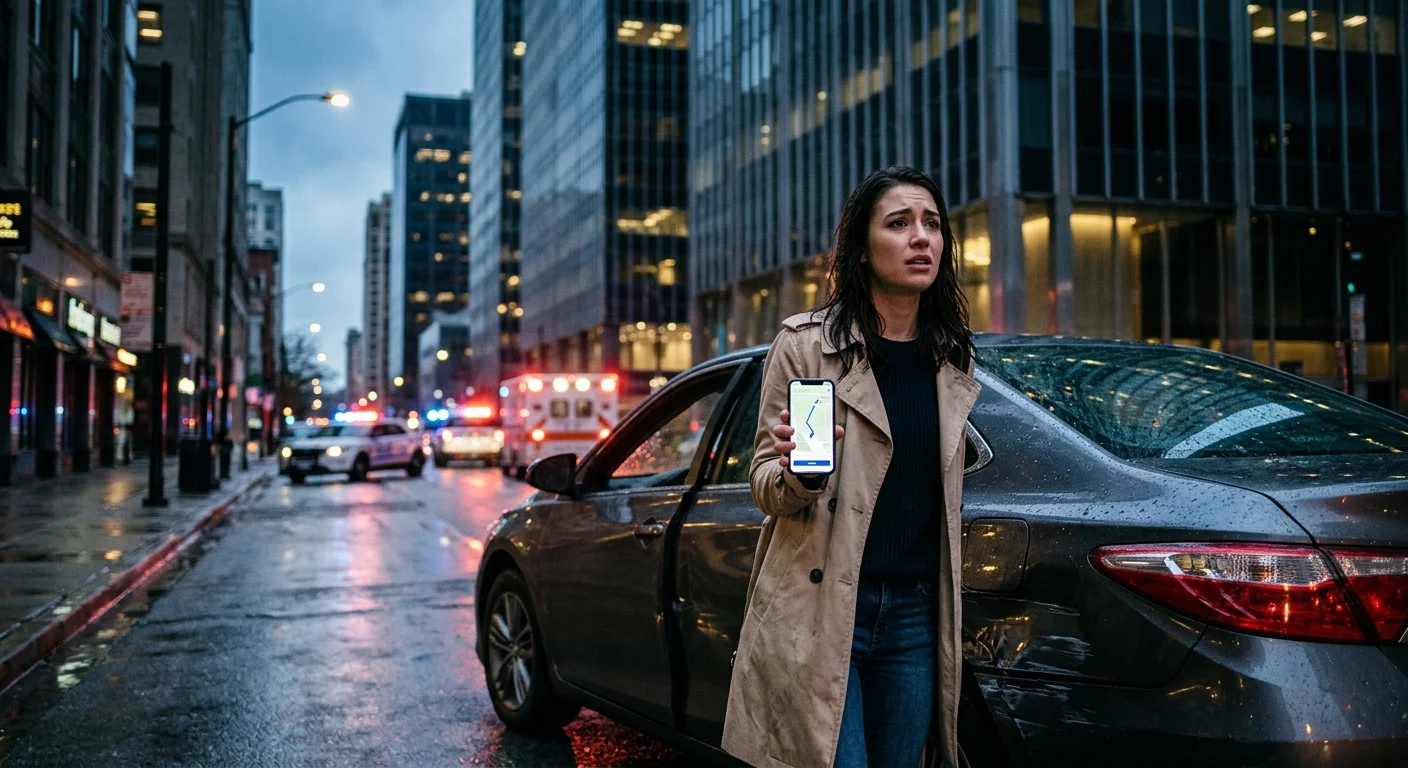
To successfully file a lawsuit directly against Uber or Lyft as a corporate entity, you must bypass the legal shield of the independent contractor defense. Rideshare organizations spend millions of dollars defending this classification in court. Under standard agency law, a corporation is generally not liable for the negligent actions of independent contractors. However, direct corporate liability can be established under specific, narrow circumstances.
One primary avenue for direct action is negligent hiring, retention, or supervision. If a rideshare company allows a driver to operate on their platform with a history of serious traffic violations, reckless driving, or criminal history, the company itself may be held liable. For instance, if an inadequate background check failed to flag a history of driving under the influence, and that driver later causes an accident while intoxicated, a plaintiff may have grounds for a direct corporate lawsuit.
A second avenue involves systemic technology failures or dangerous app designs. If a driver is distracted by a poorly designed interface, or if an app-mandated GPS route directs a driver into oncoming traffic, the technology provider may share direct liability. A comprehensive study by the Insurance Institute for Highway Safety highlights that distracted driving remains a primary catalyst for rear-end collisions, a risk exacerbated by gig-economy apps requiring constant driver interaction. If your legal team can prove the app’s software actively compromised road safety, a direct claim becomes viable.
An expert recommendation for any victim is to avoid making detailed statements to rideshare representatives immediately after a crash. A common professional mistake is accepting a quick, low-value settlement offer through the app’s support channel, which often contains hidden waiver clauses that forfeit your right to file a future lawsuit.
Rideshare Insurance and Liability Breakdown
This table outlines how insurance limits and primary liability targets shift based on the rideshare driver’s digital app status at the moment of impact.
| Driver App Status | Available Liability Limits | Primary Target of Lawsuit or Claim |
|---|---|---|
| Offline (App Closed) | Driver’s Personal Policy Limits (e.g., $15,000/$30,000 minimum in CA) | Driver’s Personal Auto Insurance Carrier |
| Online (Waiting for Match) | $50k bodily injury per person / $100k total / $25k property damage | Driver’s Personal Policy (Primary) & Rideshare Contingent Policy |
| En Route or Carrying Passenger | $1,000,000 Third-Party Liability & Uninsured Motorist Coverage | Rideshare Corporate Commercial Insurance Policy |
| Corporate Systemic Negligence | Corporate General Liability Assets (Multi-Million Dollar Limits) | Uber Technologies, Inc. or Lyft, Inc. Corporate Entities |
Determining Liability: Who Pays in an Uber Crash Lawsuit?
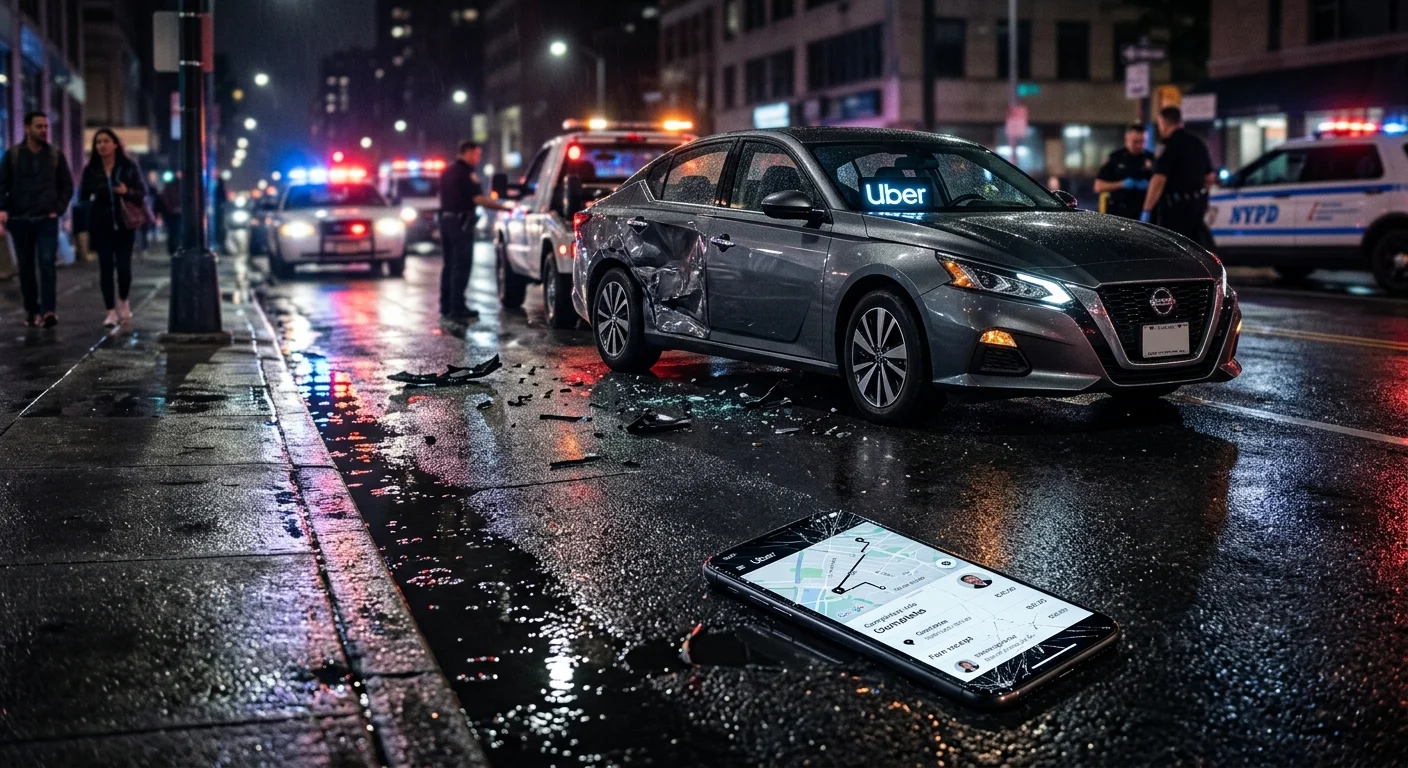
Determining who pays for your damages in an uber crash lawsuit depends entirely on which party caused the collision. Rideshare accidents often involve multiple vehicle operators, road hazards, and complex traffic patterns. Because California follows a pure comparative negligence system, multiple parties can share fault for a single accident. This means a jury or insurance adjuster can distribute liability among the rideshare driver, other motorists, and even the injured plaintiff.
If another motorist strikes the rideshare vehicle you are riding in, that third-party driver is primarily liable for your injuries. If their insurance policy is insufficient to cover your medical expenses, your attorney will tap into Uber or Lyft’s $1 million uninsured/underinsured motorist (UM/UIM) coverage. This secondary layer of protection is vital for passengers who suffer severe injuries that require long-term care or surgical intervention.
When seeking compensation, you must account for all economic and non-economic damages. For detailed insights on what you can recover under state law, consult our California car accident compensation guide. These damages include immediate medical bills, future rehabilitative costs, lost income, loss of earning capacity, and physical pain and suffering. If you have been injured, securing legal representation from an attorney specializing in automobile and truck accidents is the most effective way to ensure all potential sources of insurance coverage are identified and pursued.
Step-by-Step Guide to Filing an Insurance Claim or Lawsuit Against Lyft or Uber
If you are injured in an accident involving a rideshare vehicle, taking immediate, structured action is critical to protecting your physical health and securing your legal rights. Insurance companies move quickly to minimize their financial exposure, and any misstep can harm your claim. Follow these steps to build a solid legal foundation:
- Seek Immediate Medical Attention: Your health is your absolute priority. Visit an emergency room or urgent care center immediately, even if you feel fine. Medical records created on the day of the crash serve as the primary link between the accident and your physical injuries. Emergency room evaluations typically cost between $1,500 and $20,000 depending on diagnostic imaging.
- Document the Accident Scene: Take high-resolution photos of all vehicles, visible damage, license plates, road conditions, skid marks, and traffic signs. If you are an Uber or Lyft passenger, take a screenshot of your active trip receipt inside the app before closing it.
- Obtain the Police Report: Call local law enforcement to the scene. Ensure the responding officer documents your statement, the driver’s statement, and the contact details of any independent witnesses. Request the report number before leaving the scene.
- Report the Incident to the Rideshare App: Use the safety or support section of the Uber or Lyft app to report the crash. State only the facts: the date, time, location, and that an accident occurred. Do not describe the severity of your injuries or make statements about fault.
- Preserve Digital Evidence: Keep all emails, trip receipts, push notifications, and text communications with the rideshare company or driver. Your attorney will use this data to verify the driver’s exact app status.
- Consult an Experienced Personal Injury Lawyer: Do not speak with insurance adjusters from the rideshare company’s carrier before speaking with an attorney. A lawyer will handle all communications, preventing you from making damaging admissions.
The Financial Reality of Rideshare Injury Settlements
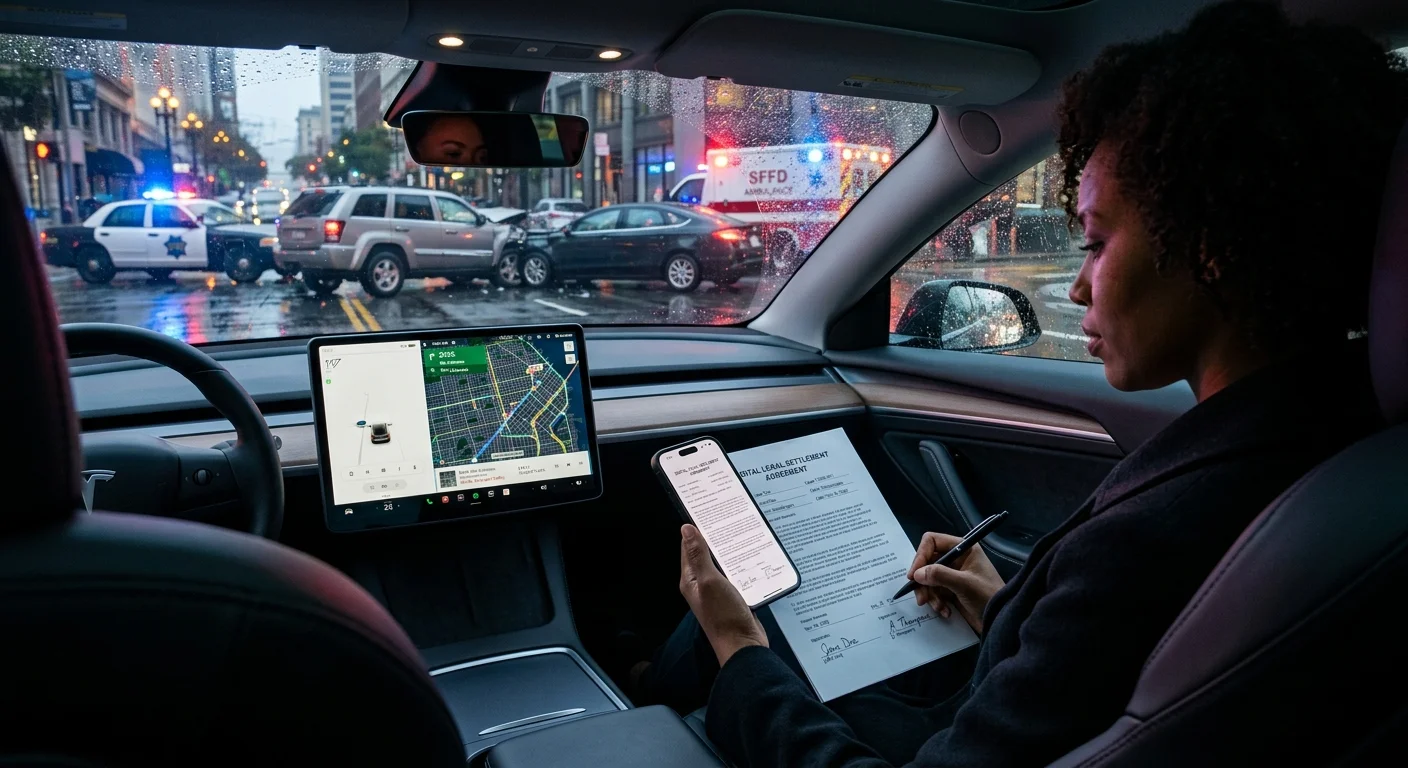
Navigating the financial landscape of a rideshare injury claim requires a clear understanding of the costs, values, and legal structures involved. Rideshare settlements vary widely based on injury severity, treatment costs, and liability clarity. While a minor soft-tissue injury may settle for $15,000 to $30,000, severe or catastrophic injuries requiring surgery often result in settlements ranging from $150,000 to well over $1 million.
In safety documentation released by Uber Technologies, Inc., the company reported that while fatal incidents remain statistically rare, rideshare vehicles are subject to the same systemic risks of traffic patterns and distracted driving as other vehicles. When these accidents occur, medical bills accumulate rapidly. For example, orthopedic surgery for a broken bone can cost between $15,000 and $50,000, while physical therapy sessions generally run $100 to $250 per visit.
Most reputable personal injury law firms represent clients on a contingency fee basis. This means you pay no upfront legal fees, and your attorney only receives payment if they successfully recover a settlement or jury verdict on your behalf. The standard contingency fee in California ranges from 33.3% to 40% of the gross recovery. This structure allows injured victims to access high-quality legal representation without facing out-of-pocket expenses during an already stressful financial time.
FAQ
Can you sue Uber or Lyft directly as a corporate entity?
Directly suing Uber or Lyft as a corporation is highly challenging because they classify drivers as independent contractors. However, you can sue them directly if your legal team can prove corporate negligence, such as a failure to conduct proper background checks or system software defects that caused the crash.
What happens if an Uber driver hits you while offline?
If an Uber driver is offline at the time of the collision, their personal auto insurance policy is primary. Uber and Lyft provide zero commercial coverage during this period, meaning the accident is handled like a standard, non-rideshare motor vehicle accident.
Is an Uber passenger covered by insurance in California?
Yes, Uber passengers are fully protected by a $1 million commercial liability and uninsured motorist policy. This coverage is active from the moment you enter the vehicle until you exit at your destination, regardless of who caused the accident.
How long do you have to file a lawsuit after a rideshare accident?
In California, the statute of limitations for filing a personal injury lawsuit after a rideshare accident is two years from the date of the crash. Failing to file a lawsuit within this period will permanently bar you from seeking compensation.
How do you prove a rideshare driver was active during the crash?
Proving active status requires obtaining digital telematics data, GPS tracking logs, and login history from the rideshare company. An experienced personal injury lawyer will issue a formal spoliation letter to legally preserve this electronic evidence before the rideshare company can delete it.
Who pays for my medical bills immediately after an Uber accident?
You are responsible for your medical bills as they accrue, which can be covered by your health insurance or medical payments (MedPay) coverage. Once your case is resolved through a settlement or verdict, the at-fault party’s insurance company will reimburse those costs as part of your final payout.