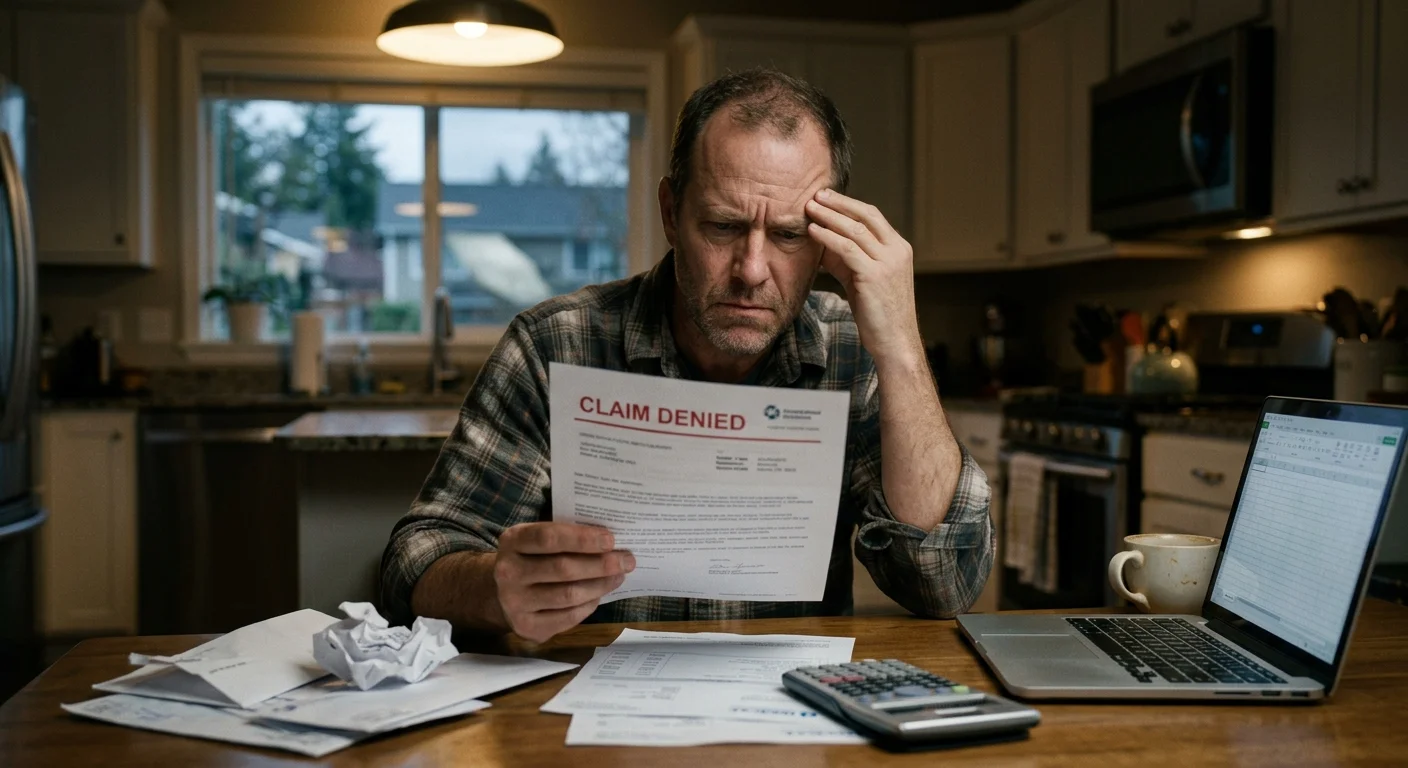
Receiving a denial letter from an insurance company can feel incredibly frustrating, especially when you are trying to recover from an injury. If your claim was recently denied in 2026, it generally comes down to three main obstacles: administrative errors, liability disputes, or policy exclusions. For simple administrative denials, a quick phone call and submitting the missing paperwork is your fastest fix. However, for complex liability disputes or high-value injury claims, your best move is to hire a personal injury lawyer to draft a formal appeal or file a lawsuit. Understanding why the insurer rejected your claim helps you take the correct next steps to secure the compensation you deserve. Below, we break down the most common triggers for a denied insurance claim and outline the concrete strategies you can use to reverse their decision. This guide covers everything from missing deadlines to policy limits so you can confidently secure your payout.
Key Takeaways
- Identify the Denial Code: Every rejection letter contains a specific code or reason that tells you exactly why the insurance adjuster rejected your application.
- Watch the Deadlines: California enforces strict deadlines for appeals and lawsuits. Missing these dates can permanently erase your right to compensation.
- Avoid Blanket Releases: Insurance adjusters often request your complete medical history to blame your current injuries on old, pre-existing conditions.
- Gather Independent Proof: Police reports, video footage, and timely medical evaluations form the foundation of any successful insurance appeal.
- Hire Professional Help: Legal representation dramatically increases your chances of reversing a denial and securing a fair settlement offer.
Common Reasons Insurance Won’t Cover an Accident
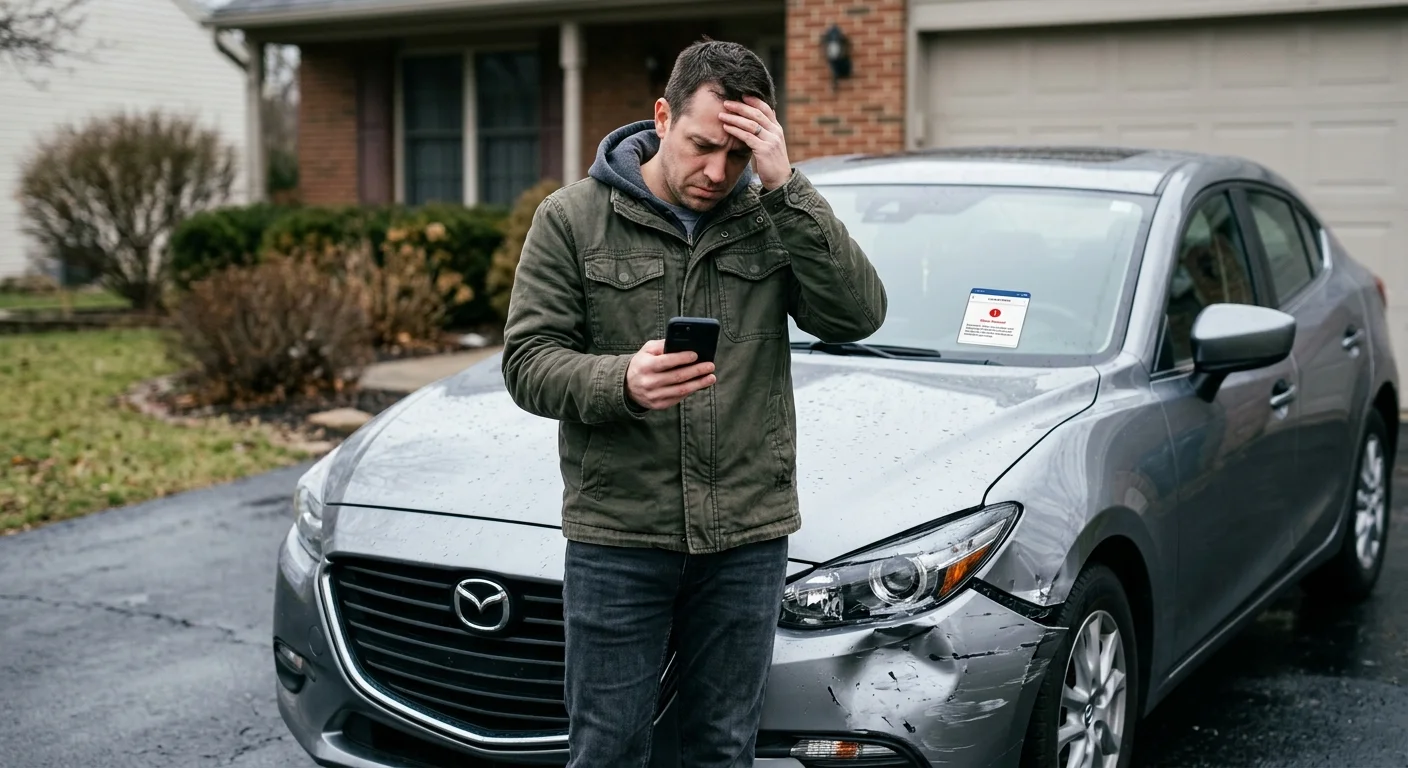
Insurance companies refuse to cover accidents primarily when the policyholder violates the policy terms, fails to pay premiums, or engages in excluded activities.
The insurance business model relies on keeping payouts low to maximize corporate profits. When you submit a claim, the adjuster searches for any contractual loophole to avoid paying you. One of the most frequent justifications for a rejection is a lapsed policy. If the policyholder missed a payment, the policy becomes inactive. In California, average auto insurance premiums in 2026 range from $120 to $350 per month. If a driver falls behind on these payments, their coverage can vanish overnight, leaving crash victims without an immediate source of recovery.
Another major hurdle is the list of policy exclusions. Most standard auto policies contain specific clauses that exclude coverage under certain conditions. For example, if the driver was operating a vehicle for commercial purposes like ridesharing or delivery without a commercial endorsement, the insurer will deny the claim. Similarly, named driver exclusions prevent coverage if an explicitly excluded household member was behind the wheel at the time of the crash. According to data compiled by the Insurance Information Institute, liability claims constitute a massive share of total losses, driving insurers to scrutinize every detail to find these exclusions.
Finally, your claim might face rejection if you failed to report the accident promptly. Insurance contracts require policyholders to report accidents within a specific, brief window, often within 24 to 72 hours. If you wait weeks to notify the insurer, they will claim your delay prevented them from investigating the scene properly. They will use this delay as a legal basis to walk away from their obligations.
Why Was My Claim Denied Under California Law?
California insurers deny personal injury claims for several distinct legal reasons, including expired statutes of limitations, comparative fault disputes, and failure to prove causation.
California operates under a pure comparative negligence system. This legal framework means your financial recovery is reduced by your percentage of fault. If the insurance adjuster can convince you or a jury that you caused the accident, they can slash your payout or deny the claim entirely. They will often point to minor traffic infractions or vague witness statements to shift the blame onto your shoulders. Understanding what to do immediately after a car accident in California is essential to secure clean evidence that prevents adjusters from pinning the blame on you.
Another common legal rejection stems from the failure to establish causation. To win a personal injury case, you must prove that the defendant’s negligence directly caused your physical injuries. If you walked away from the crash scene and waited two weeks to see a doctor, the insurer will argue that something else injured you during that gap. The Centers for Disease Control and Prevention reports that millions of crash injuries occur annually, resulting in billions of dollars in medical costs. Seeking immediate medical evaluation links your injuries directly to the collision, making it difficult for the insurer to deny causation.
Additionally, missing California’s strict legal deadlines will result in an automatic, irreversible denial. In most cases, the California statute of limitations gives you exactly two years from the date of the accident to file a personal injury lawsuit. If your case involves a government entity, such as a city bus or a state vehicle, you must file a formal administrative claim within just six months. Missing these statutory windows strips you of your legal leverage, forcing the insurance company to close your file without paying a single dollar.
How Insurers Use Pre-Existing Conditions to Avoid Payouts

Insurance adjusters search your medical history for pre-existing conditions to argue that your current pain stems from an old injury rather than the recent accident.
If you have ever suffered a back injury, a neck strain, or a joint issue, the insurance company will weaponize that medical history. The adjuster will request that you sign a blanket medical authorization form. They claim this is standard procedure to process your claim. However, they actually use this access to dig through years of your private health records. If they find any mention of prior pain in the same body part, they will claim the accident caused no new damage.
To combat this tactic, California law utilizes the eggshell skull doctrine. This legal principle states that a defendant must take the victim as they find them. If you had a pre-existing back condition and a car crash aggravated that condition, the insurer is legally responsible for the additional pain and medical bills. The insurer must pay for the difference between your physical state before the crash and your physical state after it.
To prove this aggravation, you may need to undergo an Independent Medical Examination (IME). These exams are performed by third-party doctors hired by the insurance company. Be aware that these examinations are rarely independent. In 2026, insurance companies pay these doctors between $800 and $3,000 per exam to find reasons to minimize your injuries. An experienced lawyer will protect you during this process, ensuring the doctor does not twist your words or mischaracterize your physical limitations.
Crucial Steps to Take After a Denied Insurance Claim

When you receive a denied insurance claim letter, you must immediately read the rejection letter to identify the exact reason for the denial.
Do not panic if you receive a denial letter. Instead, treat this letter as a road map for your appeal. The insurer must provide a clear written explanation for their decision. Once you understand their justification, you can gather the precise evidence needed to dismantle their argument. If you suffered injuries in a collision, consulting a specialist in automobile and truck accidents will help you build a strong strategy to challenge the insurer’s denial.
Take these organized steps immediately after receiving a denial notice:
- Request Your Full Claim File: You have a legal right to review the documents, notes, and evaluations the adjuster used to deny your claim.
- Gather Missing Evidence: Collect fresh photos, witness statements, and comprehensive medical records. Knowing what evidence you need for a personal injury claim will help you gather the specific documents required to overturn the decision.
- Draft a Formal Appeal Letter: Write a professional, fact-based letter addressing each reason for denial with supporting evidence.
- Submit an Insurance Department Complaint: If the insurer acts in bad faith, file an official complaint with the California Department of Insurance.
- Consult a Personal Injury Lawyer: Let an attorney handle the negotiations, appeal drafts, and litigation to ensure the insurer takes your claim seriously.
Working with a professional prevents you from making costly errors during the appeal process. Adjusters often ignore unrepresented claimants. When a respected law firm steps in, the insurer’s attitude usually changes. They realize they can no longer use simple delay tactics or administrative excuses to avoid paying a fair settlement.
Comparing Your Options After an Insurance Denial
Deciding how to handle a claim rejection depends entirely on the denial reason, the value of your medical bills, and the complexity of your case.
You have several paths forward after a denial, each with distinct costs, timelines, and success rates. If your claim is small and the denial stems from a simple administrative error, resolving it yourself is often the fastest route. However, if your medical bills are high and the insurer is disputing who caused the crash, filing a lawsuit with help from an attorney is the most effective way to secure a full recovery.
Our complete guide to California car accident compensation explains how these damages are calculated and what you can recover. Below is a comparison of the primary methods used to challenge a denied insurance claim:
| Resolution Method | Best Suited For | Pros | Cons |
|---|---|---|---|
| Direct Negotiation & Appeal | Administrative errors, missing documents, minor property damage. | Fastest resolution time; zero legal fees. | Low success rate for complex liability disputes; stressful to handle alone. |
| State Insurance Complaint | Unfair claims practices, bad faith delays, clear policy violations. | Free to file; puts state regulatory pressure on the insurer. | The state cannot force the insurer to pay you directly; slow response times. |
| Formal Legal Representation | Severe bodily injuries, complex liability, pre-existing condition disputes. | Highest success rate; attorney handles all communication and paperwork. | Attorneys charge a contingency fee; takes longer to finalize. |
| Filing a Lawsuit | High-value claims, stubborn bad faith denials, expired negotiations. | Forces the insurer to take the case seriously; potential for maximum payout. | Court filing fees cost $200–$450; case can take several months or years to resolve. |
Mistakes to Avoid When Appealing a Claims Decision
Avoid common procedural errors when challenging a claim rejection, as minor mistakes can permanently destroy your chances of recovery.
One of the biggest professional mistakes claimants make is giving a recorded statement without an attorney present. Adjusters are trained to ask misleading questions designed to make you admit fault or downplay your pain. They will use your recorded words against you later in court. Simply tell the adjuster that you prefer to communicate in writing, or direct them to speak with your legal representative.
Another major mistake is accepting the very first settlement offer the insurance company presents after a denial. Often, an insurer will deny your claim initially to test your resolve. If you challenge them, they might suddenly offer a small, lowball settlement. This quick cash offer rarely covers long-term medical care or lost income. According to the Insurance Research Council, claimants who hire legal representation secure significantly higher settlements than those who negotiate on their own. Do not let the insurance company pressure you into signing away your rights for a fraction of what your case is worth.
Lastly, never wait until the last minute to seek legal advice. Building a robust appeal package takes time. Witnesses move away, video footage gets erased, and medical records take weeks to retrieve. Engaging an attorney early ensures your legal team has ample time to investigate the incident, preserve critical evidence, and draft a compelling appeal that forces the insurer to pay what they owe.
FAQ
What is the most common reason for an insurance claim denial?
The most common reason for a denial is a lack of sufficient evidence linking your injuries directly to the accident. If there is a delay in seeking medical care or a lack of physical evidence from the crash scene, the insurer will argue that you cannot prove their policyholder caused your injuries.
How long do I have to appeal a denied insurance claim in California?
The time frame to appeal depends on your specific insurance policy, but most insurers require you to submit an appeal within 60 to 90 days of receiving the denial letter. It is crucial to read your denial letter carefully to identify the exact deadline specified by your insurer.
Can I sue an insurance company for denying my claim?
Yes, you can sue an insurance company if they deny your claim in bad faith or breach their contract with you. If the insurer refuses to pay a valid claim without a reasonable basis, you can file a bad faith lawsuit to recover the compensation you deserve plus potential damages.
Is it worth hiring a lawyer after my insurance claim is denied?
Yes, hiring a personal injury lawyer is highly beneficial because an attorney understands how to dismantle insurance company excuses and gather the necessary evidence. A lawyer will handle the complex paperwork, negotiate with the adjuster, and file a lawsuit if the insurer refuses to offer a fair settlement.
Will my claim be denied if I was partially at fault for the accident?
No, your claim should not be completely denied solely because you were partially at fault. Under California’s pure comparative negligence laws, you can still recover compensation even if you were 99% responsible for the accident, though your final payout will be reduced by your percentage of fault.
What should I do if the insurer says my policy was lapsed?
If the insurer claims your policy lapsed, you should immediately check your bank records and premium payment history to see if they made an error. If you paid your premium on time, or if the insurer failed to send a required cancellation notice, you can challenge the lapse and restore your coverage.