For a minor fender-bender with no injuries, prioritize exchanging insurance info, documenting vehicle damage, and reporting the incident to your insurance carrier. For severe crashes involving injuries or major damage, prioritize calling 911 immediately. Obtain professional medical care and contact a personal injury attorney before speaking with any insurance adjusters. Adhering to this dual strategy protects your health and preserves your legal rights. Insurance representatives often try to minimize payouts right after a collision. Securing experienced legal counsel ensures you do not inadvertently waive your right to full compensation. By taking these correct initial steps, you can confidently navigate the complex legal and financial aftermath of a California roadway collision.
Key Takeaways
- Prioritize immediate medical care: Always seek medical evaluation within 72 hours, as injuries like whiplash or internal bleeding often have delayed symptoms.
- Document everything at the scene: Take clear photographs of vehicle damage, license plates, traffic signals, and road conditions before leaving.
- Never admit fault or apologize: Expressing regret or saying “I’m sorry” can be legally weaponized by insurance adjusters to deny your claim.
- File the DMV SR-1 form: If anyone is injured or property damage exceeds $1,000, you must notify the California DMV within 10 days to avoid license suspension.
- Consult an attorney before signing documents: Avoid giving recorded statements to the other driver’s insurer until you have spoken with a qualified legal professional.
Immediate Steps to Take After a Car Accident on California Roads
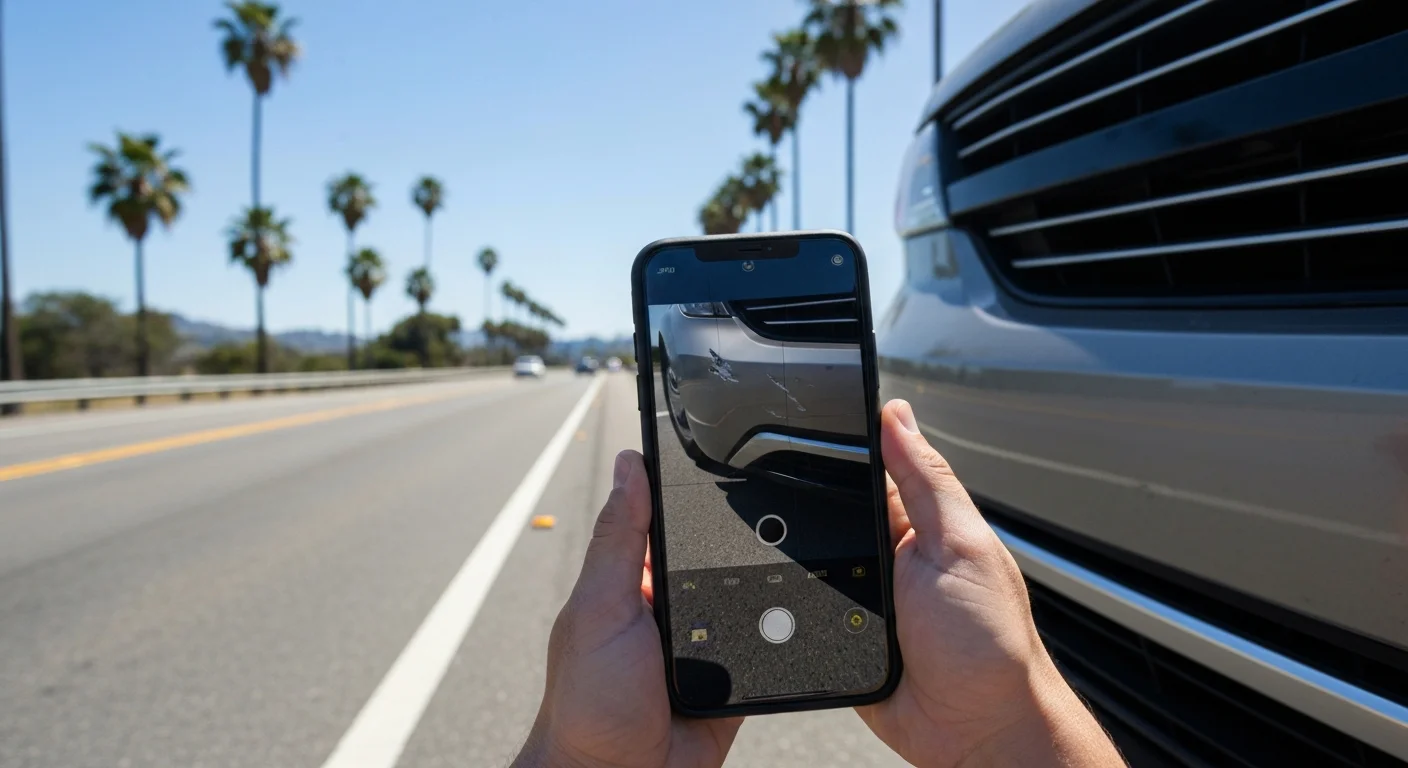
Stopping immediately at the scene of a crash is a strict legal requirement under California law. If you fail to stop, you can face severe criminal hit-and-run charges. First, check yourself and your passengers for any immediate physical injuries. If it is safe to do so, move your vehicle out of active traffic lanes to a shoulder or sidewalk.
The California Highway Patrol strongly recommends clearing lanes to prevent secondary collisions. Turn on your hazard lights to warn oncoming drivers of the hazard. Call 911 immediately to request emergency medical services and law enforcement to the scene. Even if the crash seems minor, a police report provides neutral documentation of the incident.
While waiting for officers to arrive, keep conversations with the other driver brief and professional. Do not argue about who caused the crash. Simply focus on ensuring everyone is safe and waiting for emergency responders. For those involved in collisions, knowing what to do after a car accident is critical to protecting your health and financial future.
Gathering Crucial Evidence at the Scene of a Crash

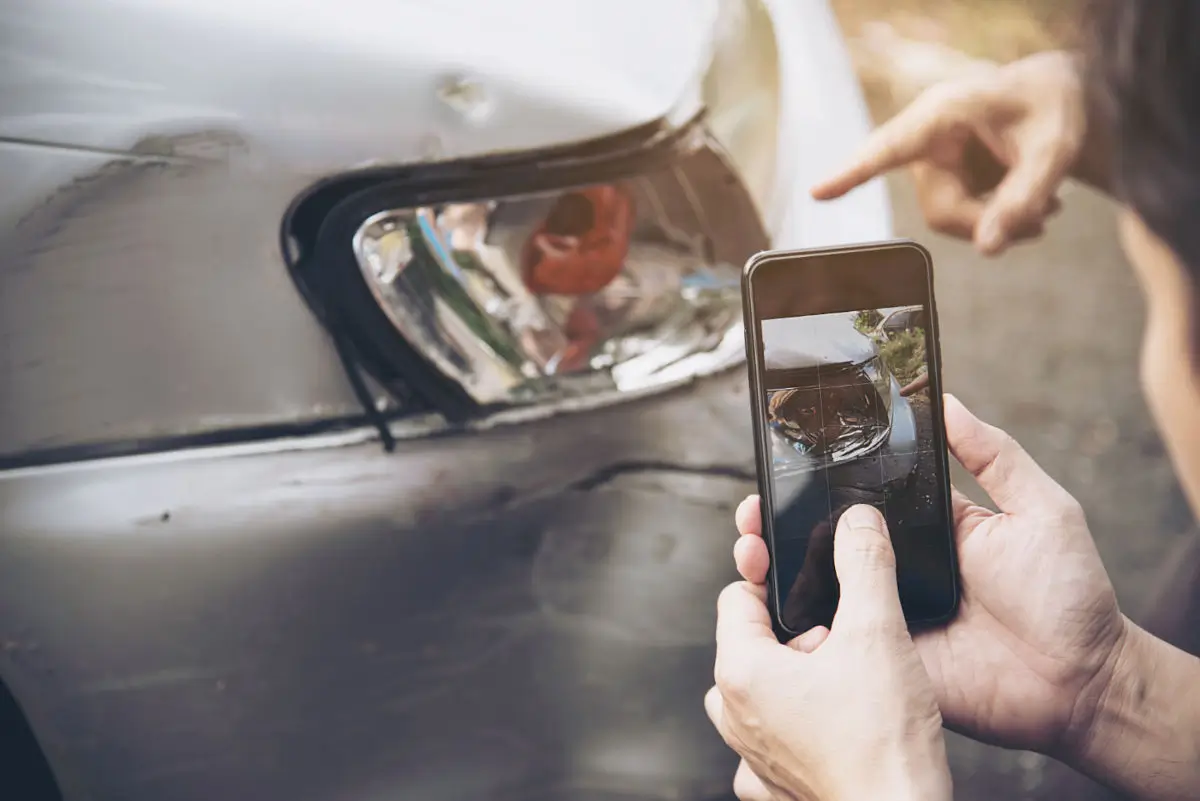
Collecting comprehensive physical and visual evidence at the crash scene is vital for protecting your eventual injury claim. Begin by taking high-quality photographs and videos of all vehicles involved from multiple angles. Capture close-up shots of the damage and wide-angle shots of the entire scene. Include photos of skid marks, traffic signals, and weather conditions.
According to the National Safety Council, motor vehicle crashes result in an estimated cost of over $470 billion nationally each year, meaning insurance companies fight hard to limit their payouts. Write down the full names, phone numbers, and insurance details of all drivers involved. Ask to see their driver’s licenses and physical insurance cards to verify the details. Do not forget to collect contact information from any independent witnesses who stopped to help.
Witnesses can provide objective accounts that prevent the other driver from changing their story later. Keep all physical evidence, such as broken car parts or torn clothing, in a secure location. Taking systematic steps to gather evidence at the scene ensures you have the necessary documentation to support your version of events.
What to Do After a Car Accident Not Your Fault to Protect Your Claim
Protecting your financial recovery when another driver causes a crash requires careful management of your communications and medical files. You must report the accident to your own insurance company. However, you should avoid speaking to the other driver’s insurer. Adjusters for the at-fault driver’s insurance company are trained to reduce their company’s financial liability.
They often ask trick questions during recorded interviews to get you to admit partial fault. If you are wondering should I get a lawyer for a car accident that wasn’t my fault, the answer is almost always yes. A lawyer handles all communication, evaluates your true damages, and negotiates a fair settlement. Most personal injury lawyers operate on a contingency fee basis, which typically ranges from 33% to 40% of your total recovery.
This means you pay nothing upfront for professional legal representation. Your attorney will gather medical records, accident reports, and expert testimony to build a robust claim against the negligent party. Taking these immediate actions ensures the at-fault driver’s insurance provider treats your claim with the seriousness it deserves.
Understanding What Happens to Your Car After an Accident
Determining the fate of your damaged vehicle involves several key steps coordinated between tow companies, repair shops, and claims adjusters. Immediately following a wreck, your vehicle will likely be towed to an impound yard or a designated repair facility. Towing fees in California typically range from $150 to $350, while daily storage fees can accumulate at $50 to $150 per day.
An insurance adjuster will inspect your vehicle to write an initial repair estimate. Under California law, you have the absolute right to choose your own auto body repair shop. If the cost of repairing your vehicle exceeds its actual cash value (ACV), the insurance company will declare it a total loss. They will then offer you a settlement based on the fair market value of the vehicle right before the crash. If you disagree with their valuation, you can invoke the appraisal provision in your policy to resolve the dispute.
| Resolution Option | Pros | Cons | Estimated Costs (2026) |
|---|---|---|---|
| Independent Auto Body Shop | High-quality parts, works directly for you | May require out-of-pocket payment first | $500 to $5,000+ |
| Insurance Preferred Repair Shop | Direct billing, faster approvals | May use cheaper aftermarket parts | $500 to $4,000+ |
| Total Loss Settlement (ACV) | Provides cash value to buy a new car | Settlement may be less than loan balance | Market value of car |
| Retaining Salvage Title Vehicle | Keep the vehicle, receive cash minus salvage value | Requires safety inspections to register again | Salvage deduction of 10% to 30% |
Reporting Requirements and the California DMV SR-1 Form
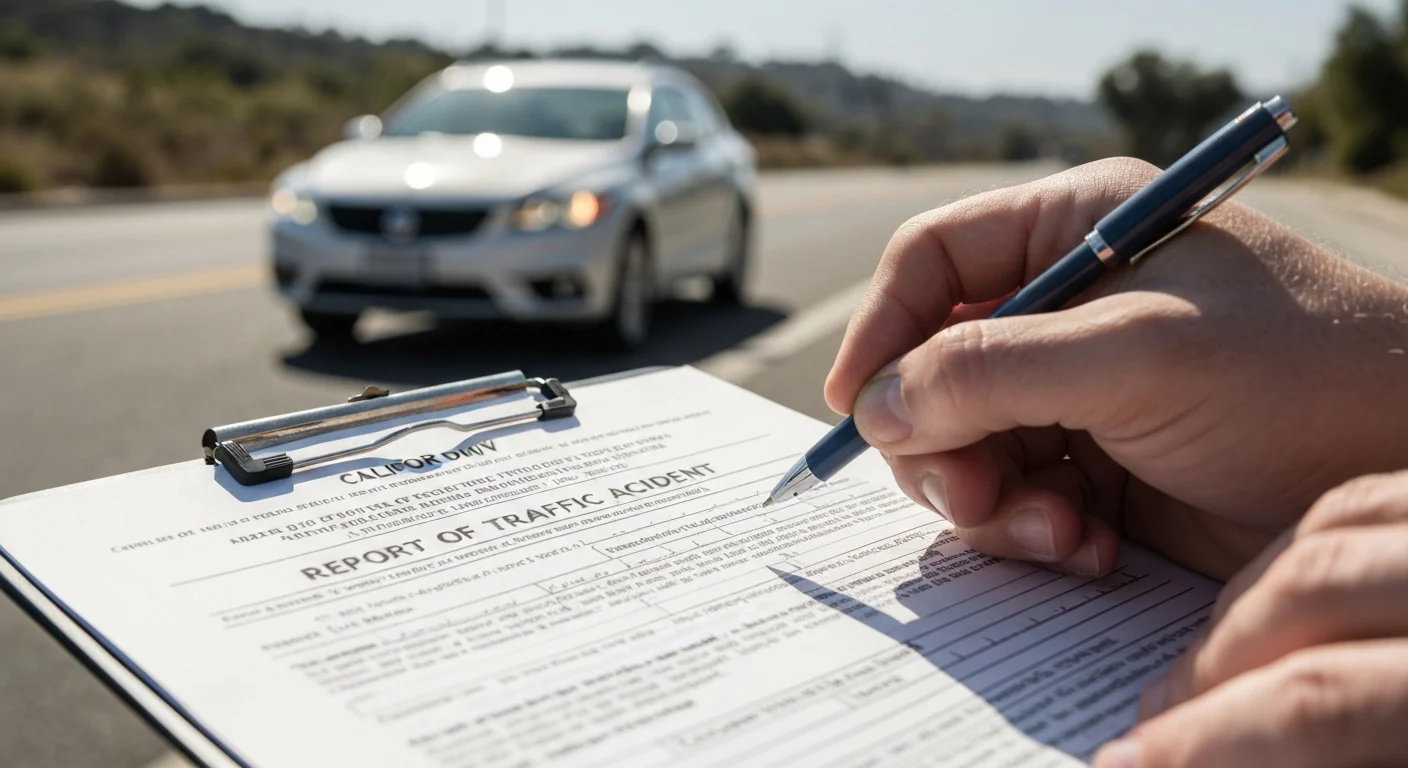
California law imposes strict reporting requirements on drivers involved in collisions on public or private property. You must file a Report of Traffic Accident Occurring in California (Form SR-1) with the DMV within 10 days if anyone was injured or killed, or if property damage exceeds $1,000. Do not rely on the police officer’s report to fulfill this requirement, as the DMV operates independently.
You can obtain and submit the SR-1 form directly through the website of the California Department of Motor Vehicles. Failing to submit this form within the mandatory 10-day window can lead to the automatic suspension of your driver’s license. This suspension applies regardless of who caused the collision. Make sure you have your insurance policy number, vehicle identification number (VIN), and the other driver’s information ready when filling out the form.
Keep a copy of the completed form and the submission confirmation for your personal records. Understanding what to do after a car accident in California helps you remain compliant with state regulations and protect your driving privileges.
Navigating the Medical Treatment and Insurance Process
Seeking immediate medical care is the single most important step you can take for your physical recovery and your legal case. Many common accident injuries, such as concussions, whiplash, and internal bleeding, do not cause pain immediately due to adrenaline. If you delay medical treatment, insurance companies will argue that your injuries are unrelated to the crash.
Go to an emergency room, urgent care clinic, or your primary care physician on the day of the accident. Keep detailed records of all medical evaluations, prescriptions, physical therapy sessions, and out-of-pocket medical expenses. According to the National Highway Traffic Safety Administration, prompt medical attention within the first golden hour after a collision decreases the risk of long-term trauma and death by up to 50 percent.
An experienced team specializing in automobile and truck accidents can help handle the communications with medical providers and auto insurers. If you have medical payments coverage (MedPay) on your policy, it can assist with immediate medical bills. Your attorney will eventually seek full compensation from the at-fault driver’s insurance for medical bills, lost wages, and pain and suffering.
Common Mistakes to Avoid After a Car Crash
Avoiding critical errors immediately after an accident can save you thousands of dollars in lost compensation. One of the most frequent mistakes is apologizing or saying “I’m sorry” at the scene. While this feels like common courtesy, the other driver’s insurance company will interpret it as an admission of fault.
Another major mistake is failing to seek immediate medical attention because you feel fine. Adrenaline masks pain, and many soft-tissue injuries do not show symptoms for days or weeks. Furthermore, do not sign any quick-settlement offers or liability releases from the insurance company. These early offers are designed to close your claim before you understand the full extent of your injuries.
Additionally, avoid posting any details, photos, or updates about your accident on social media. Insurance defense attorneys regularly monitor public social media profiles to find posts they can use to undermine your injury claims. Finally, never wait to contact a legal professional, as early intervention ensures crucial evidence is preserved.
Deciding When to Hire a Personal Injury Lawyer in California
Navigating the aftermath of a collision on your own can be an overwhelming and financially risky endeavor. While you can handle minor property damage claims alone, you should hire an attorney if there are physical injuries. An experienced lawyer understands how to calculate the true long-term costs of your medical treatment and rehabilitation.
They will handle all negotiations with the insurance adjusters, who frequently try to undervalue your claim. Additionally, if the liability for the accident is disputed, an attorney can conduct an independent investigation. They can hire accident reconstruction experts, obtain camera footage, and subpoena cell phone records.
If the insurance company refuses to offer a fair settlement, your lawyer can file a formal lawsuit in court. Legal representation provides peace of mind, allowing you to focus on healing while professionals fight for your rights. Taking this step ensures you are not taken advantage of by aggressive insurance corporations.
FAQ
What should you do after a car accident if you feel fine?
You should still seek a medical evaluation immediately after a collision. Adrenaline can mask severe internal injuries, concussions, and soft-tissue damage for hours or days. Having a documented medical exam directly links your injuries to the accident for insurance purposes.
How long do you have to file a car accident lawsuit in California?
California law generally provides a two-year statute of limitations from the date of the accident to file a personal injury lawsuit. If you are filing a claim against a government entity, the deadline is much shorter, typically requiring a claim within six months. Failing to file within these strict timelines means you lose your right to recover compensation.
Can you choose your own auto body repair shop in California?
Yes, California law guarantees you the right to select any auto body repair shop of your choice. Insurance companies may recommend preferred shops, but they cannot force you to use them. Ensure your chosen shop provides a detailed written estimate before any repairs begin.
What happens if the other driver does not have insurance?
If the at-fault driver is uninsured, you can seek compensation through your own Uninsured Motorist (UM) coverage if you purchased it. If you do not have UM coverage, you may have to file a personal lawsuit against the driver, though recovering funds can be difficult if they lack assets. Consulting with an attorney can help you explore all available avenues of recovery.
Is California a no-fault state for car accidents?
No, California is a fault-based, or “tort,” state for motor vehicle collisions. This means the driver who caused the accident is legally responsible for paying all resulting damages, including medical bills, property damage, and lost wages. Insurance companies determine fault based on evidence, police reports, and witness statements.