
If you’ve suffered an injury due to someone else’s negligence, the thought of pursuing legal action can feel overwhelming. Successfully filing a personal injury lawsuit in California involves a series of critical steps, starting with securing prompt medical attention and gathering comprehensive evidence of your injuries and damages. Immediately after an incident, your first priority should be your health and safety. Once stable, reach out to an experienced California personal injury attorney. They will assess your case, explain your legal rights, and help you understand the complex process of proving liability and calculating your potential compensation. For cases involving significant injuries or disputes with insurance companies, a lawsuit becomes a necessary tool to seek justice. Your attorney will handle the meticulous paperwork, file your complaint with the correct civil court within California’s strict statute of limitations, and represent your best interests throughout negotiations or, if necessary, a trial. This structured approach, guided by legal expertise, ensures you navigate the system effectively to achieve the best possible outcome for your recovery.
Key Takeaways
- Seek immediate medical attention and thoroughly document all injuries and treatments before initiating any legal steps.
- Consult with a qualified California personal injury attorney early to understand your rights, assess case viability, and avoid critical mistakes.
- Gather and preserve all available evidence, including photos, witness statements, medical records, and accident reports.
- Be aware of California’s two-year statute of limitations for most personal injury claims, ensuring your lawsuit is filed on time.
- Understand that most personal injury cases settle outside of trial, often through negotiation or mediation, but be prepared for courtroom advocacy if needed.
Understanding the Foundation: When Should You File a Personal Injury Lawsuit?
You should consider filing a personal injury lawsuit when you have sustained injuries as a direct result of another party’s negligent or intentional actions, and your damages warrant more than what an insurance settlement might offer. A personal injury claim arises from incidents like car accidents, slip and falls, dog bites, or even injuries from defective products. The core principle is that someone else’s carelessness or wrongdoing caused you harm. While many minor incidents can be resolved through direct insurance claims, more severe injuries often require formal legal action to ensure you receive fair compensation for medical expenses, lost wages, pain, and suffering.
For instance, if you were involved in a serious automobile accident where you suffered a catastrophic injury like a traumatic brain injury or paralysis, an insurance company might quickly offer a lowball settlement that doesn’t adequately cover your long-term care needs. This is where a lawsuit becomes crucial. It compels the at-fault party and their insurers to take your claim seriously and engage in a more robust negotiation process. According to the National Safety Council, motor vehicle crash deaths in the U.S. totaled 44,464 in 2022, highlighting the severe consequences that often necessitate legal intervention beyond simple insurance claims.
California operates under a two-year statute of limitations for most personal injury cases. This means you generally have two years from the date of the injury to file a lawsuit in civil court. There are exceptions, such as claims against government entities (which often have much shorter deadlines, sometimes as little as six months), or cases involving minors, where the clock might not start ticking until the child turns 18. Missing this deadline almost certainly means you lose your right to pursue compensation, regardless of the severity of your injuries or the clarity of fault. It’s an expert recommendation that you consult with an attorney as soon as possible after an injury to ensure these critical deadlines are not overlooked.
The Initial Steps: Gathering Evidence and Consulting a Legal Expert

The journey to filing a personal injury lawsuit begins immediately after your injury, often even before you consciously decide to sue. Your actions in the moments, days, and weeks following an incident are crucial for building a strong case. One of the most common professional mistakes people make is underestimating the value of immediate evidence collection. Always prioritize your health, but as soon as you are able, start documenting everything.
This includes taking photographs or videos of the accident scene, your injuries, and any property damage. If there were witnesses, collect their contact information. Obtain a copy of any official reports, such as police reports for car accidents or incident reports from premises owners. Crucially, keep detailed records of all medical appointments, diagnoses, treatments, prescriptions, and therapist visits. Maintain a journal documenting your pain levels, limitations, and how the injury impacts your daily life. These seemingly small details can become powerful evidence later on.
Once your immediate medical needs are addressed, your next vital step is to consult a California personal injury attorney. During a free case evaluation, an attorney will review the facts of your case, explain your legal options, and help you understand the potential value of your claim. They can guide you on what evidence is most important, how to communicate (or not communicate) with insurance adjusters, and ensure you avoid pitfalls that could jeopardize your case. For example, insurance companies often try to get injured parties to give recorded statements or sign medical releases that are too broad. Your attorney will protect you from these tactics, ensuring you only provide necessary information.
Preparing Your Case: Building a Strong Foundation
Building a strong personal injury case is akin to constructing a solid building; it requires meticulous planning and a sturdy foundation of facts. Your attorney will work with you to gather comprehensive documentation of all your damages. This extends beyond immediate medical bills to include future medical treatment, rehabilitation costs, lost wages (both past and future earning capacity), and non-economic damages like pain, suffering, emotional distress, and loss of enjoyment of life.
Your legal team will obtain all your medical records, bills, and prognoses from your treating physicians. They may also consult with medical experts to fully understand the extent of your injuries and their long-term impact. If your case involves complex liability, such as a multi-vehicle accident or a product defect, accident reconstructionists or forensic experts might be engaged. These experts can provide invaluable testimony, breaking down intricate details and making them understandable to a jury or opposing counsel. The cost for such expert witnesses can range significantly, often from $5,000 to over $25,000 per expert, depending on their field and the complexity of their involvement, highlighting the resources a dedicated law firm can bring to your case.
Navigating the Legal System: The Formal Process of Filing Your Claim
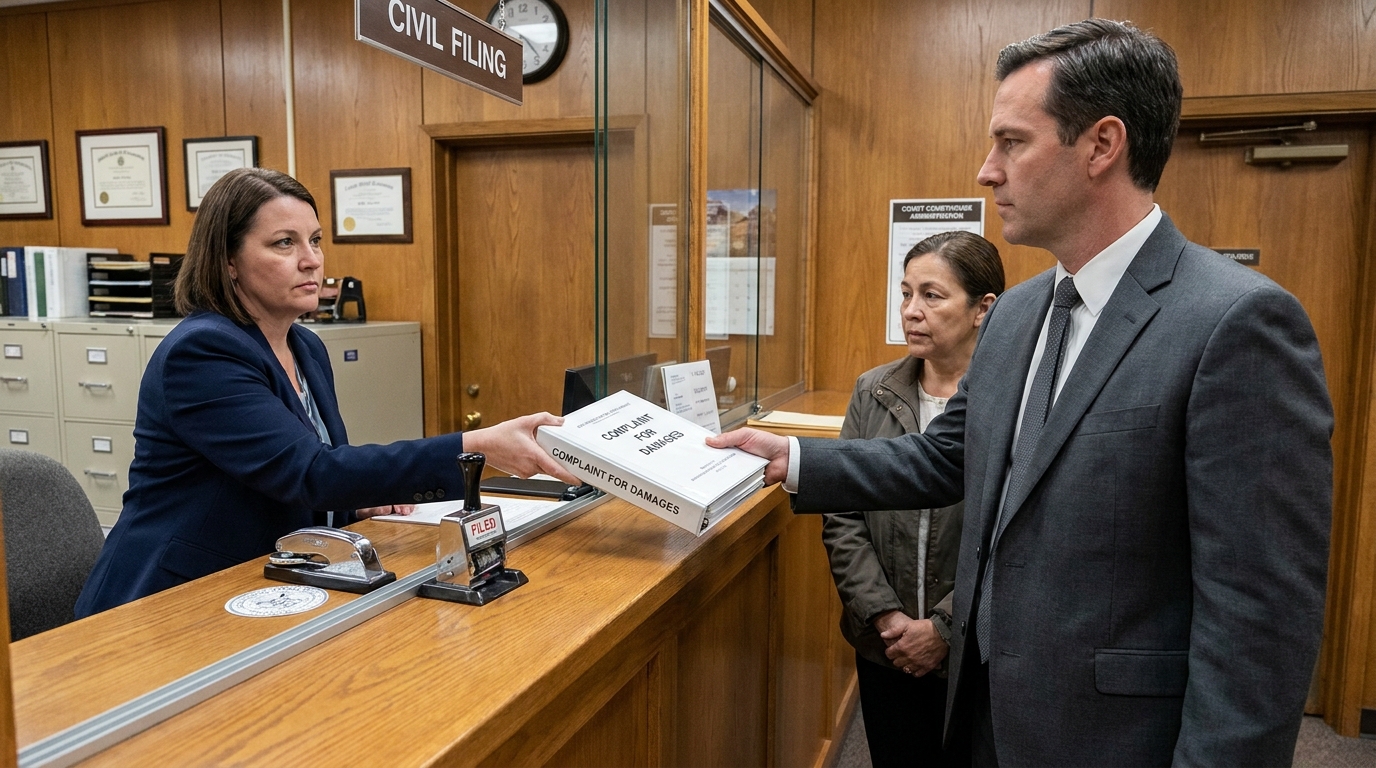
Once your attorney has gathered sufficient evidence and built a solid foundation for your case, the formal process of filing a lawsuit begins. This involves several critical steps that must be executed precisely according to legal procedures.
First, your attorney will determine the correct court in which to file your lawsuit. This involves understanding “jurisdiction,” which means the court’s authority to hear your case. Generally, personal injury lawsuits are filed in state civil courts. The specific county court will usually be where the defendant resides, where the accident occurred, or where the defendant conducts business. While rare for typical personal injury cases, if the parties are from different states (diversity of citizenship) and the damages exceed a certain amount ($75,000), a case might potentially be filed in federal court. However, most personal injury cases remain in state court, which is well-equipped to handle these matters.
Your attorney will then draft a formal document called a “complaint.” This document outlines the facts of your injury, explains why the defendant is legally responsible, and states the damages you are seeking. It’s a precise legal pleading that adheres to strict court rules. Once drafted, the complaint is filed with the clerk of the appropriate civil court. In California, the filing fees for a civil complaint typically range from $435 to $450, depending on the court and specific circumstances.
After the complaint is filed, the defendant must be formally “served” with a copy of the complaint and a summons. The summons notifies the defendant that a lawsuit has been filed against them and instructs them to respond within a specific timeframe (usually 30 days in California). Service must be performed according to strict legal rules, often by a sheriff, marshal, or a professional process server. This ensures the defendant has proper legal notice of the lawsuit. If the defendant is not properly served, the lawsuit cannot proceed.
| Stage of Lawsuit | Description | Typical Timeline (Approx.) |
|---|---|---|
| Initial Consultation & Investigation | Meeting with an attorney, gathering evidence, assessing liability and damages. | 1-3 Months |
| Demand Letter & Negotiation | Attorney sends a formal demand to the at-fault party’s insurer for settlement. | 2-6 Months (from injury) |
| Filing the Complaint | Formal legal document filed with the court, initiating the lawsuit. | 6-12 Months (from injury, within statute of limitations) |
| Discovery Phase | Exchange of information, interrogatories, depositions, document requests. | 6-18 Months (after filing complaint) |
| Mediation/Settlement Talks | Formal or informal negotiations to resolve the case before trial. | Anytime, but often after Discovery |
| Trial | If no settlement, the case proceeds to a courtroom trial before a judge or jury. | 1-2 Years (after filing complaint, if needed) |
What Happens After Filing? Discovery, Mediation, and Trial

Once your lawsuit is formally filed and the defendant has been served, the legal process enters the “discovery” phase. This is a crucial period where both sides exchange information and evidence to prepare their cases. Discovery typically involves several components:
- Interrogatories: Written questions that each party must answer under oath.
- Requests for Production of Documents: Demands for relevant documents, such as medical records, financial statements, incident reports, and insurance policies.
- Depositions: Out-of-court sworn testimony taken from parties and witnesses, questioned by attorneys for both sides.
- Requests for Admission: Written statements that one party asks the other to admit or deny, narrowing down the issues for trial.
This phase can be extensive, often taking many months or even over a year, depending on the complexity of the case and the number of parties involved. Your attorney will guide you through this process, helping you prepare for depositions and ensuring all requested information is properly managed.
After discovery, many personal injury cases move into negotiation and mediation. It is a well-established fact that a vast majority of personal injury cases—approximately 95-97%—settle before ever reaching a courtroom trial. Mediation involves a neutral third-party mediator who facilitates discussions between you and the defendant (or their insurance company) to reach a mutually agreeable settlement. The mediator does not make decisions but helps identify common ground and areas for compromise. This can be a very effective way to resolve your case, avoiding the time, expense, and uncertainty of a trial.
If negotiations or mediation fail, your case will proceed to trial. A trial is a formal legal proceeding where a judge or jury hears evidence and arguments from both sides and then renders a verdict. This is a complex and often lengthy process, involving jury selection, opening statements, presentation of evidence (witness testimony, exhibits), closing arguments, and finally, a verdict. While personal injury trials can be emotionally and financially draining, they are sometimes necessary to secure the full compensation you deserve, especially in cases where the defendant refuses to offer a fair settlement. Your attorney will represent you fiercely in court, presenting your case with professionalism and persuasive arguments.
The Role of Expert Witnesses in Proving Your Case
Expert witnesses play a pivotal role in many personal injury lawsuits, particularly those involving complex medical issues, intricate accident reconstruction, or significant economic losses. These individuals, due to their specialized knowledge, skill, experience, training, or education, can provide opinions and insights that a layperson (like a jury member) might not possess. Their testimony helps clarify technical aspects of your case, lending credibility and weight to your claims.
- Medical Experts: Physicians, surgeons, physical therapists, and other medical specialists can testify about the nature and extent of your injuries, the necessity of specific treatments, your prognosis, and how your injuries were caused by the accident.
- Accident Reconstructionists: In cases involving complex vehicle collisions or other incidents, these experts can analyze physical evidence, vehicle damage, and witness statements to determine how an accident occurred and who was at fault.
- Economic Experts: Forensic economists or vocational rehabilitation experts can calculate past and future lost wages, loss of earning capacity, and the monetary value of future medical care or specialized equipment.
- Product Experts: For product liability cases, engineers or product designers can testify about defects in a product’s design, manufacturing, or warnings that led to your injury.
Engaging expert witnesses is a significant investment, with fees ranging broadly based on their credentials and the time required for review, report writing, and deposition or trial testimony. These costs can be substantial, often $5,000 to $25,000 or more per expert, for their involvement in a complex case. However, their input can be invaluable in establishing causation, proving the severity of your damages, and ultimately strengthening your ability to recover maximum compensation.
Common Hurdles and How to Overcome Them When Pursuing Your Claim
Pursuing a personal injury claim, even with expert legal guidance, often involves navigating various challenges. Being aware of these common hurdles can help you better prepare and work effectively with your attorney to overcome them.
One of the primary hurdles is dealing with insurance adjusters. Their job is to minimize payouts, and they are highly skilled at doing so. They might call you shortly after an accident, sounding sympathetic, but their questions are often designed to elicit statements that could harm your claim. This is why an expert recommendation is never to give a recorded statement or sign any documents from an insurance company without first consulting your attorney. Your lawyer will handle all communications with the at-fault party’s insurance company, protecting your rights and preventing you from inadvertently damaging your case.
Another significant challenge in California is the concept of comparative negligence. California follows a pure comparative negligence rule. This means that if you are found partially at fault for the accident, your compensation will be reduced by your percentage of fault. For example, if you are awarded $100,000 but found 20% at fault, you would only receive $80,000. Insurance companies and opposing counsel will often try to shift blame onto you to reduce their liability. Your attorney’s role is critical in meticulously proving the defendant’s sole or primary fault and effectively countering any arguments that attempt to assign blame to you.
The duration of a personal injury lawsuit can also be a hurdle. Cases can take anywhere from a few months to several years to resolve, especially if they proceed to trial. This can be financially and emotionally taxing for injury victims. While the average car accident settlement in California might range from $15,000 for minor injuries to $75,000 or more for moderate injuries, catastrophic injury cases often involve settlements or verdicts in the hundreds of thousands or even millions. The timeline is heavily influenced by the severity of injuries, the complexity of liability, the number of parties involved, and court backlogs. Patience, while difficult, is a necessary virtue in this process, and your attorney will keep you informed every step of the way.
Finally, there’s always the possibility of an appeal if a judgment is rendered after a trial. If either party believes there was a legal error during the trial, they can file an appeal to a higher court. This can extend the legal process even further. Your attorney will advise you on the likelihood and implications of an appeal, should it arise.
Overcoming these hurdles requires a deep understanding of personal injury law, strong negotiation skills, and a willingness to fight for your client’s rights. That’s precisely what a dedicated personal injury law firm provides.
- Medical Records: Keep every single record, including initial injury reports, emergency room visits, doctor’s notes, test results (X-rays, MRIs, CT scans), prescription lists, and physical therapy records.
- Bills and Receipts: Document all expenses related to your injury, such as medical bills, pharmacy receipts, co-pays, transportation costs to appointments, and any specialized equipment purchases.
- Proof of Lost Wages: Gather pay stubs, W-2s, tax returns, and letters from your employer detailing your absence from work and any lost income or benefits.
- Accident Reports: Obtain police reports, incident reports from businesses (for premises liability), or any other official documentation describing the event.
- Photographs and Videos: Keep all visual evidence of the accident scene, vehicle damage, your injuries (from the time of injury through recovery), and any relevant conditions (e.g., hazardous conditions).
- Witness Information: Maintain a list of names, phone numbers, and addresses for anyone who witnessed the accident or can corroborate your injuries and damages.
- Correspondence: Keep copies of all communications with insurance companies, the at-fault party, or any other relevant individuals.
- Personal Journal: A daily or weekly journal detailing your pain levels, limitations, emotional distress, and how your injuries impact your daily life can be powerful evidence of pain and suffering.
FAQ
What is the statute of limitations for personal injury in California?
In California, the general statute of limitations for most personal injury cases is two years from the date of the injury. This means you typically have two years to file a lawsuit in civil court. There are exceptions, such as claims against government entities, which often have shorter deadlines.
How much does it cost to hire a personal injury attorney?
Most personal injury attorneys, including our office, work on a contingency fee basis. This means you pay no upfront fees, and your attorney only gets paid if they successfully recover compensation for you. Their fee is a percentage of the settlement or court award.
Can I file a personal injury lawsuit without a lawyer?
While you have the right to represent yourself, filing a personal injury lawsuit without an attorney is highly complex and generally not recommended. Lawyers understand legal procedures, evidence rules, and negotiation tactics, significantly increasing your chances of a successful outcome.
How long does a personal injury lawsuit take?
The duration of a personal injury lawsuit varies greatly, ranging from a few months for straightforward cases that settle quickly to several years for complex cases that go to trial. Factors like injury severity, case complexity, and court schedules all influence the timeline.
What types of damages can I recover?
You can typically recover both economic and non-economic damages. Economic damages include quantifiable losses like medical bills, lost wages, and property damage. Non-economic damages cover subjective losses such as pain and suffering, emotional distress, and loss of enjoyment of life.
Is my personal injury case likely to go to trial?
No, the vast majority of personal injury cases, estimated at 95-97%, settle out of court through negotiations or mediation before ever reaching a trial. A trial is usually a last resort when a fair settlement cannot be reached.